By Lucía Marín
Guide reviewed under editorial standards
This experience is structured to provide an itinerary, local context, transport, recommended season and mistakes to avoid. See how we review guides
How to make the most of this experience
Useful planning notes for Rural Cazorla: Borosa River, Castle and Living Sierra with a Rural lens, especially if you are travelling with limited time or staying nearby.
Recommended duration
A full day or a weekend escape if you want to enjoy it slowly.
Best season
Summer and late spring, avoiding the middle of the day for outdoor plans.
How to get around
A car is useful for flexibility, especially if you add viewpoints or nearby villages.
Best for
Slow escapes, families, couples and travellers who want to disconnect.
Accessibility
Expect stretches without pavements, narrow lanes or limited transport.
Estimated budget
Low to medium, with more weight on transport and local meals.
Buy water or basics before leaving: small village opening hours can be limited.
Planning as if it were a city: here opening hours, roads and calm set the pace.
Cazorla is a beautiful gateway to the mountains because it does not force you to choose between village, castle and nature. In the same day you can wake among white streets, look over the valley from a stone viewpoint, walk down toward the Cerezuelo river and end up among footbridges, clear water and limestone walls.
This rural experience is designed for travellers staying in Cazorla, La Iruela or nearby rural accommodation who want to use their time well. It is not a generic checklist: it is a slow route to understand why the Sierra de Cazorla works best when historic streets, Jaén olive oil, water trails and real pauses are combined.
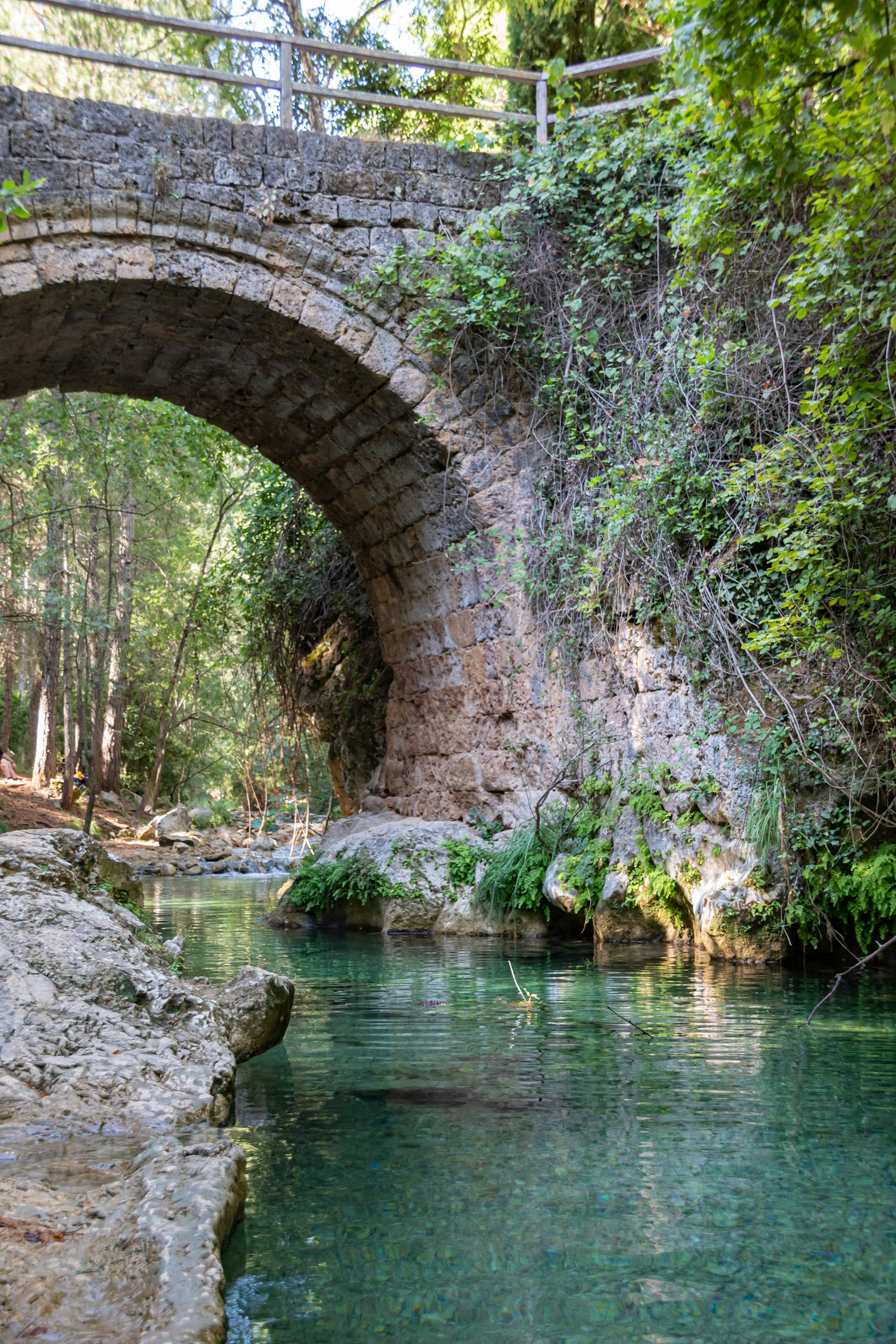
Arriving in Cazorla without rushing
The arrival already sets the tone. Cazorla appears between olive groves, slopes and the relief of the mountains. If you come from Úbeda, Baeza or Jaén, do not squeeze the first day: the roads are beautiful, but they have bends, rhythm changes and viewpoints that invite you to stop.
If you are staying in an apartment, buy a few basics before heading fully into the hills: water, breakfast, fruit and simple food for a walk. In a rural hotel or guesthouse, ask about real dinner and breakfast times. In the mountains, these small details keep the day from becoming a late improvisation.
Old town, Zabaleta viewpoint and Yedra Castle
Start with the old town. Santa María square, the ruins, steep lanes and the Cerezuelo river area give a first reading of Cazorla: mountain village, defensive, whitewashed, but also lived-in. There is no need to rush to the castle; climb slowly and let the slope become the map.
Yedra Castle is the symbolic point. From its position, above the river and below Salvatierra hill, you understand the relationship between Cazorla and the territory around it. The view helps place the olive groves, the village and the natural doors into the park.
La Iruela as a natural viewpoint
La Iruela is so close that it should not be treated as a separate trip. Its castle and rocky profile let you look back at Cazorla from outside, with more air and less noise. It is a short stop, but very useful before entering the mountains.
In summer, avoid the middle of the day here. Early morning or late afternoon works better, when the stone cools and the horizon softens. For families, it is manageable if you expect slopes and some uneven access.
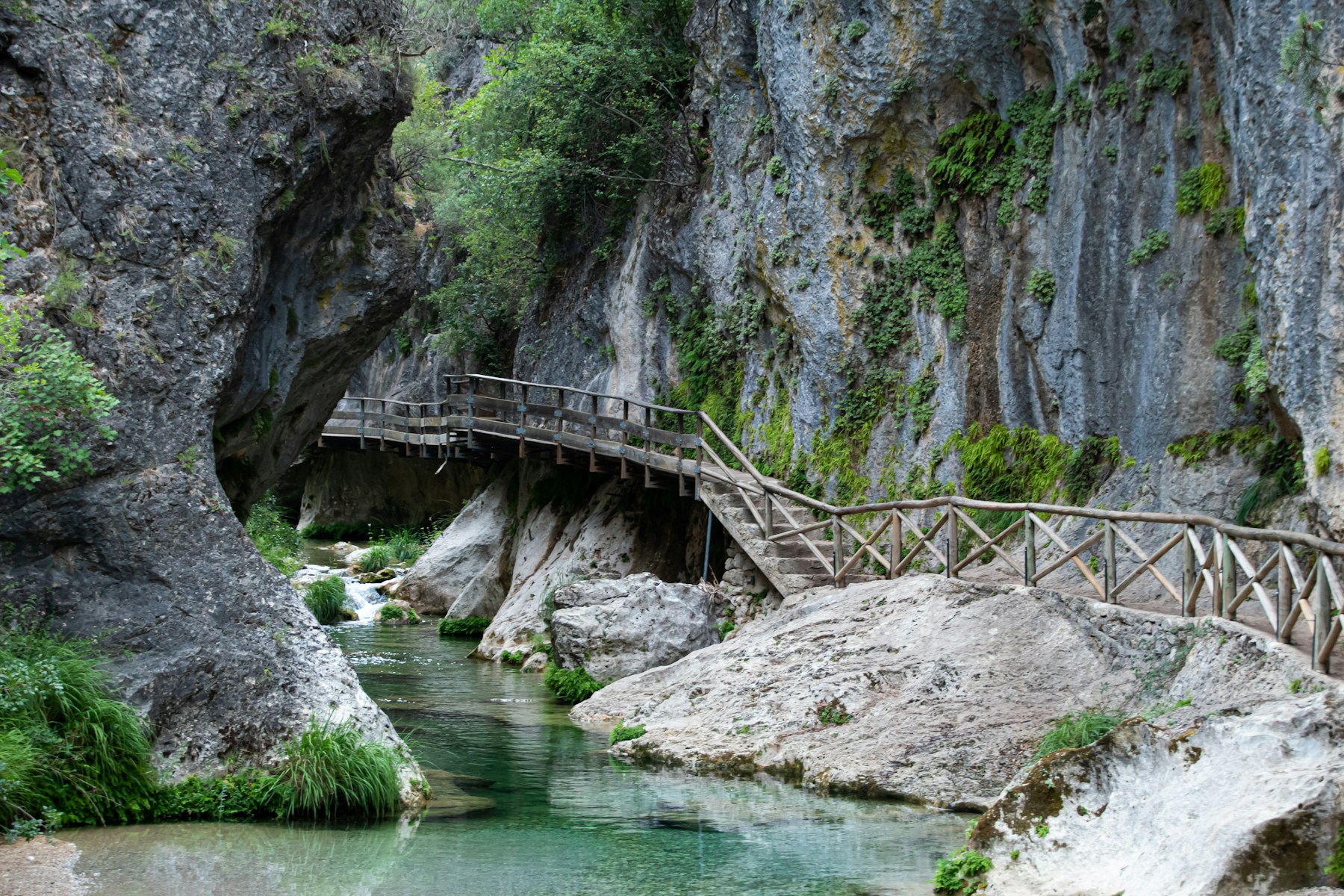
Borosa River and Cerrada de Elías
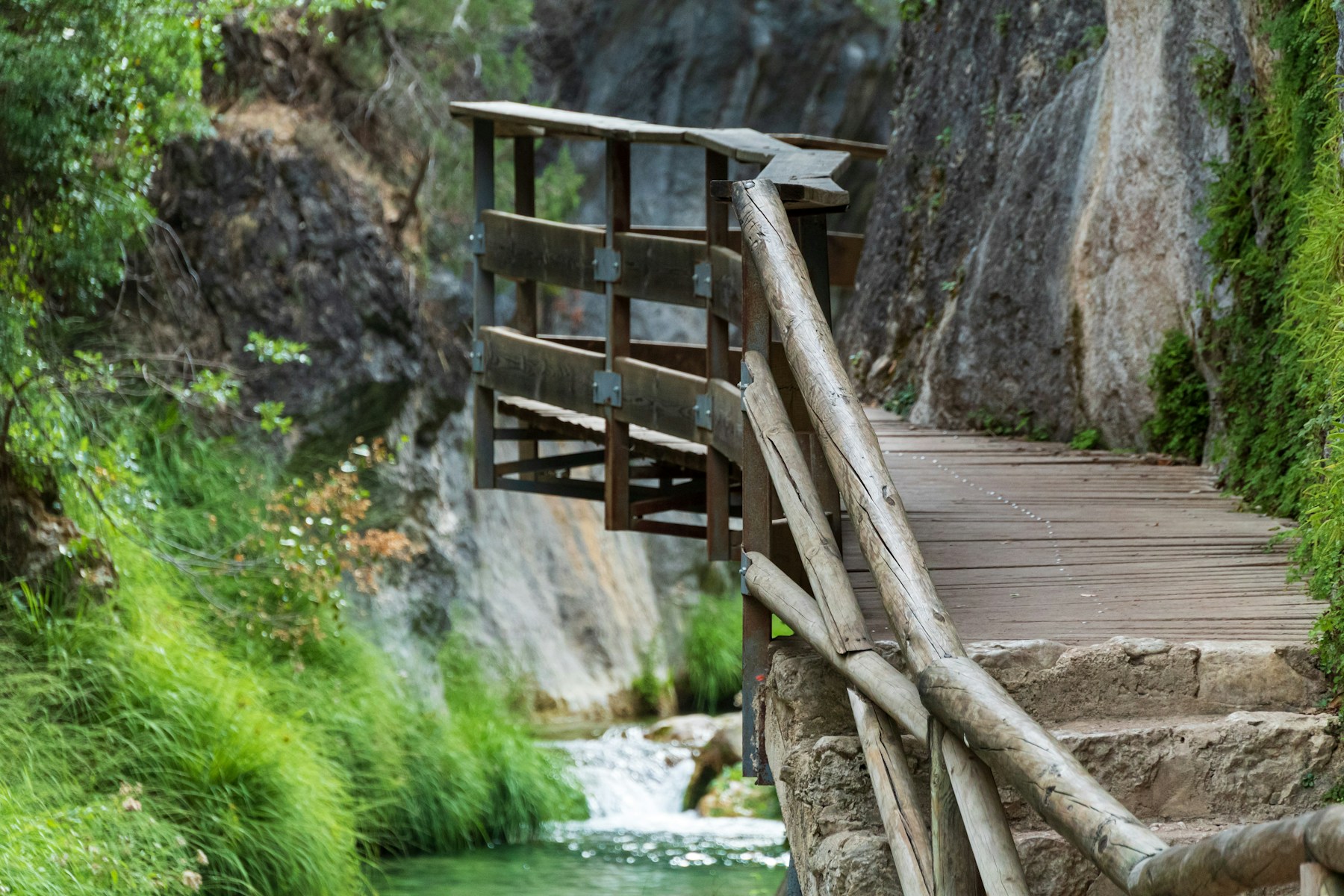
The Borosa river is the most recognisable water plan in the area, but it should be approached sensibly. Not everyone needs a long hike. For a first visit, reaching Cerrada de Elías already gives a complete experience: footbridges, narrow walls, shade, clear water and that continuous sound that makes the mountains feel cooler.
Leave early, wear comfortable shoes and do not rely entirely on finding food open on your return. In August and on weekends there may be more people; in spring and early autumn the route breathes better. With children, allow more time than the map suggests: stops by the water are part of the trip.
Olive oil, mountain food and real opening hours
Cazorla is also understood at the table. Extra virgin olive oil, migas, cured meats, game, trout, stews and mountain recipes appear naturally. Do not look for a showcase food route: here it works better to ask about local produce, kitchen hours and seasonal dishes.
A common mistake is returning from a walk late, tired and with no reservation or plan. If you sleep in the centre, choose a dinner area before leaving in the morning. If you are in a rural house, check whether it is worth buying something before returning. In mountain destinations, small logistics matter.
A full-day plan by the hour
09:00. Breakfast and a walk around Santa María square, the Cerezuelo river and the first lanes of the old town. Climb slowly toward Yedra Castle or the nearest viewpoint.
11:30. Head toward La Iruela or the Borosa river access, depending on heat and travel style. If the day is hot, prioritise water and shade; outside summer, you can extend the monumental part.
14:30. Simple lunch or a well-prepared picnic. The key is not turning the day into a chase through opening hours. Fewer, better chosen stops beat a packed schedule.
17:30. Final walk, viewpoint and slow return to your accommodation. At sunset Cazorla gains depth: stone, bells, terraces, cooler air and that mix of village and mountain that makes staying overnight worthwhile.
Mistakes to avoid
Do not underestimate distances inside the natural park: on the map everything looks close, but the roads set the pace. Do not improvise a long route without water, footwear and margin. Do not treat Cazorla as a quick day trip from the coast; it loses meaning if you arrive late and leave in a rush.
Accessibility also deserves attention. The old town has slopes, uneven paving and sections that can be difficult with a stroller or reduced mobility. Hotel guests should ask about parking and access before arrival; apartment guests should confirm the real location, not just the distance in metres.
Best season and how to experience it
Spring is probably the most balanced moment: water, mild temperatures and comfortable routes. Summer has charm because of swimming spots, shade and mountain nights, but it requires early starts. Autumn works very well for walking and unhurried meals. Winter is quieter, with short days and a more intimate Cazorla.
The rural Cazorla experience is not about seeing everything. It is about choosing well: a historic village, a viewpoint, a water route, an honest meal and enough time for the mountains to feel like more than scenery.
Useful sources before going
Before travelling, check Cazorla Tourism for monuments and events, Andalucía.org for natural park context and the Junta de Andalucía visitor information service for trails, access and possible notices. On water or mountain routes, updated information matters as much as the beauty of the plan.
Common questions before you go
Quick answers to decide whether Rural Cazorla: Borosa River, Castle and Living Sierra fits your trip and how to plan it with a Rural lens.
How much time should I set aside for Rural Cazorla: Borosa River, Castle and Living Sierra?
A full day is the recommended minimum; if you can sleep nearby, the experience improves because rural rhythm does not fit a rush.
What is the best season for this experience?
Spring and autumn are especially rewarding. In summer, start early; in winter, confirm daylight and open services.
What is the best way to get around?
A car is usually the most practical option. If you rely on bus or train, confirm return frequencies before planning the day.
What is your advice if I am staying nearby?
Buy basics before arriving and ask about local hours. In rural settings, improvisation depends more on limited services.
What mistake should I avoid?
Do not plan with an urban mindset. In villages and rural areas, roads, light and local hours set the pace.
Operating a Rental in this area?
Stay fully compliant with Spain's strict tourism regulations. HazCheckin automates your guest registration and legal reporting directly to Spanish authorities.