
By Inés Valls
Guide reviewed under editorial standards
This experience is structured to provide an itinerary, local context, transport, recommended season and mistakes to avoid. See how we review guides
How to make the most of this experience
Useful planning notes for Tenerife For Families Or Couples: Teide, Anaga And Volcanic Beaches with a Destinations lens, especially if you are travelling with limited time or staying nearby.
Recommended duration
Between half a day and two days, depending on your pace and the stops you add.
Best season
Summer and late spring, avoiding the middle of the day for outdoor plans.
How to get around
Prioritise public transport and walking sections; avoid moving the car between nearby stops.
Best for
First-time visitors, couples, apartment-based travellers and weekend breaks.
Accessibility
Check slopes, cobbles and real walking distances before closing the route.
Estimated budget
Medium: combine free visits with one or two well-chosen paid entries.
Keep the most demanding visit for the morning and leave the afternoon for walks from your stay.
Trying to see everything in one day and ending up jumping from photo to photo.
Tenerife is a summer island with many summers inside it. There is the summer of volcanic beaches and long swims, the summer of roads climbing toward Mount Teide, the summer of Anaga’s humid forests, the summer of northern towns and terraces where fish reaches the table with almost no ceremony. Few islands change landscape so dramatically in so few kilometres.
This experience follows Tenerife as a journey of contrasts: dawn over lava, black-sand swims, laurel forest trails, natural pools, colonial towns and Atlantic sunsets. It is designed for summer, but not only for lying on a sunbed. Tenerife is better when sea, mountain and road are combined.
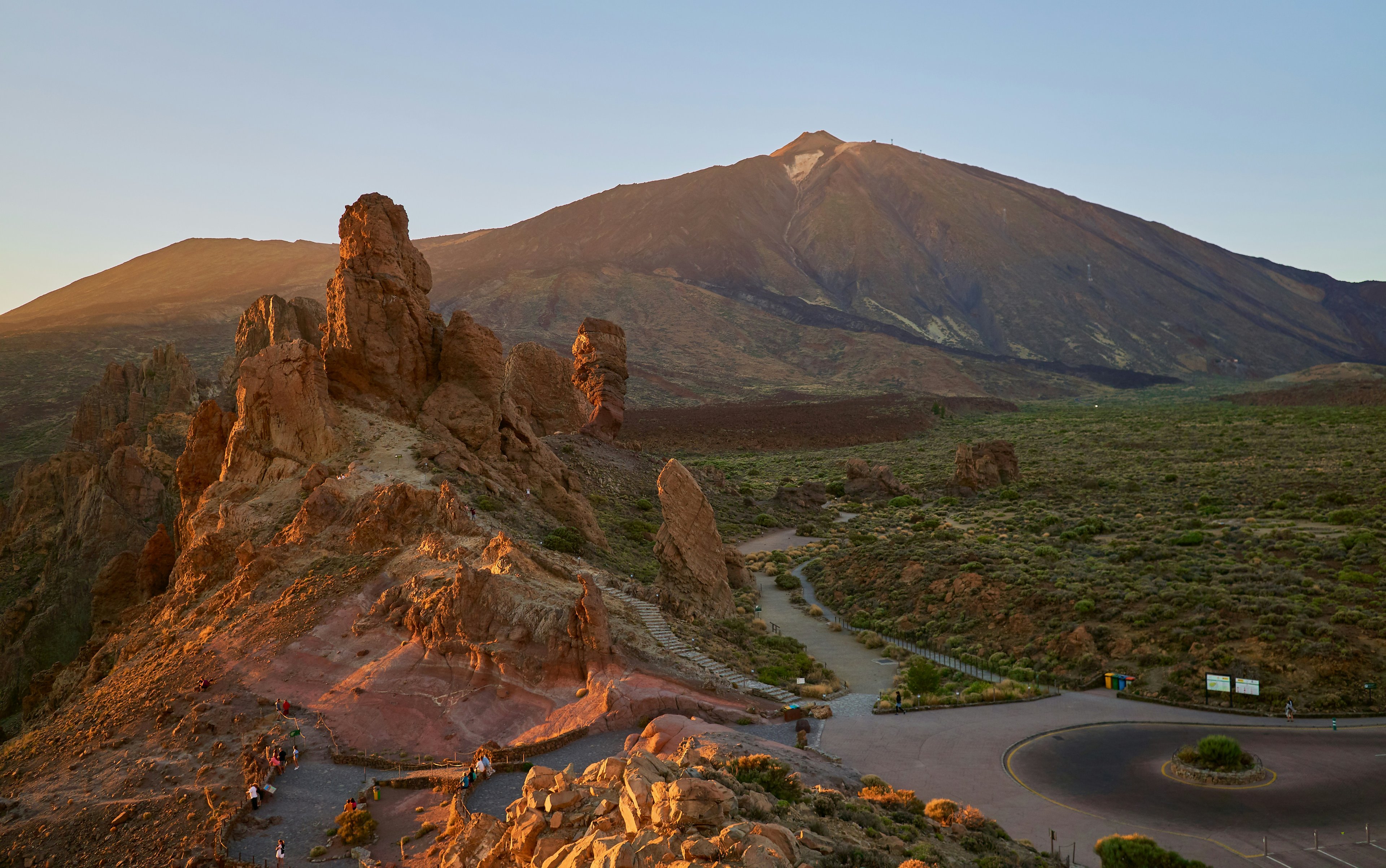
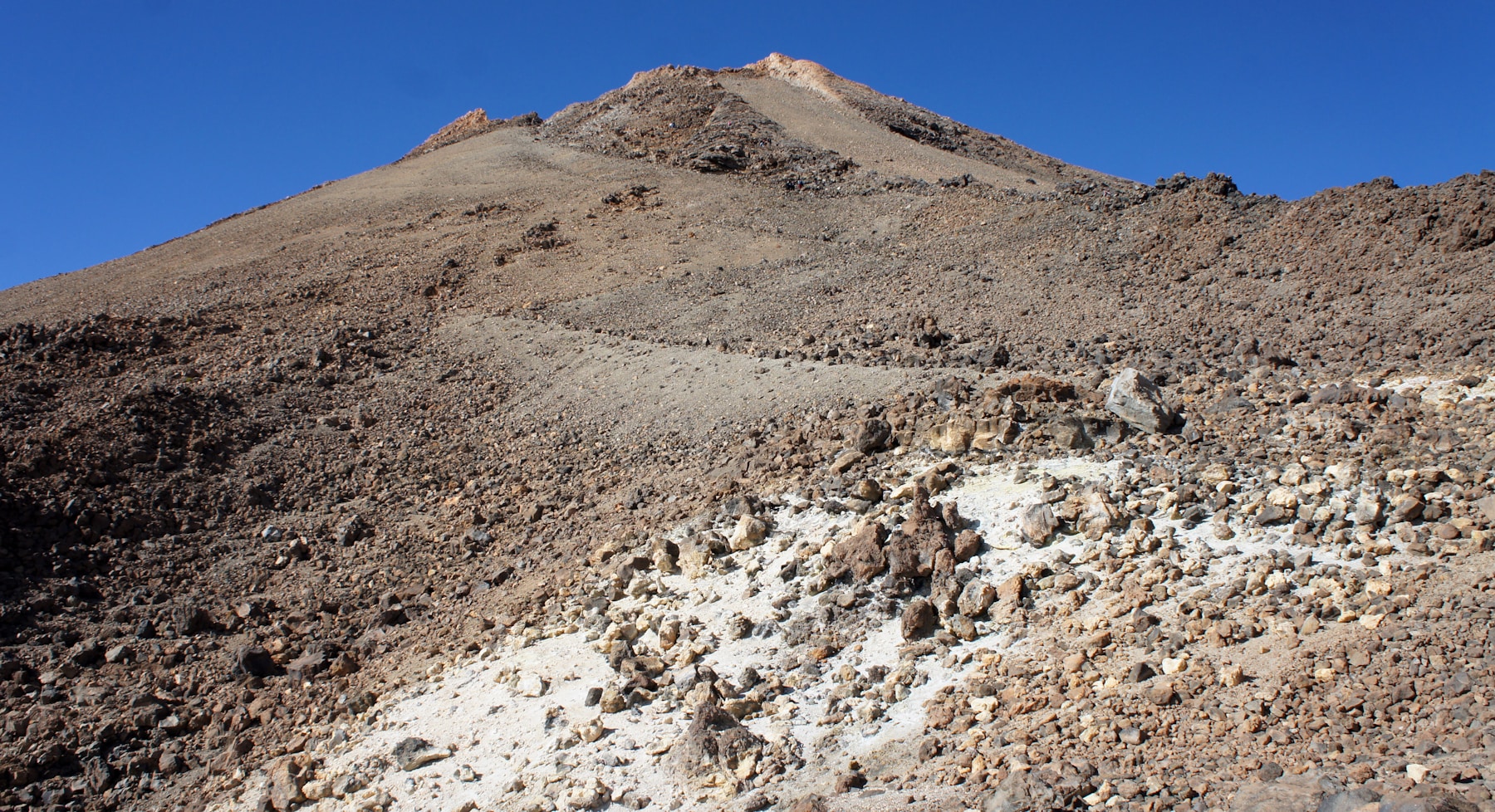
Mount Teide: summer over lava
Teide National Park changes the idea many travellers have of Tenerife. Suddenly the island stops being only coastline and appears as a volcanic, dry, mineral and almost lunar territory. Roads climb through pine forests, clouds and lava fields until reaching a landscape where silence weighs more than heat.
In summer, go early or late in the day, bring water and carry a layer if you plan to stay until sunset. The light over Roques de García, the volcano’s profile and the clean sky make Teide more than an excursion: it is the island’s vertical axis, the piece that organises everything else.
Volcanic beaches and Atlantic swims
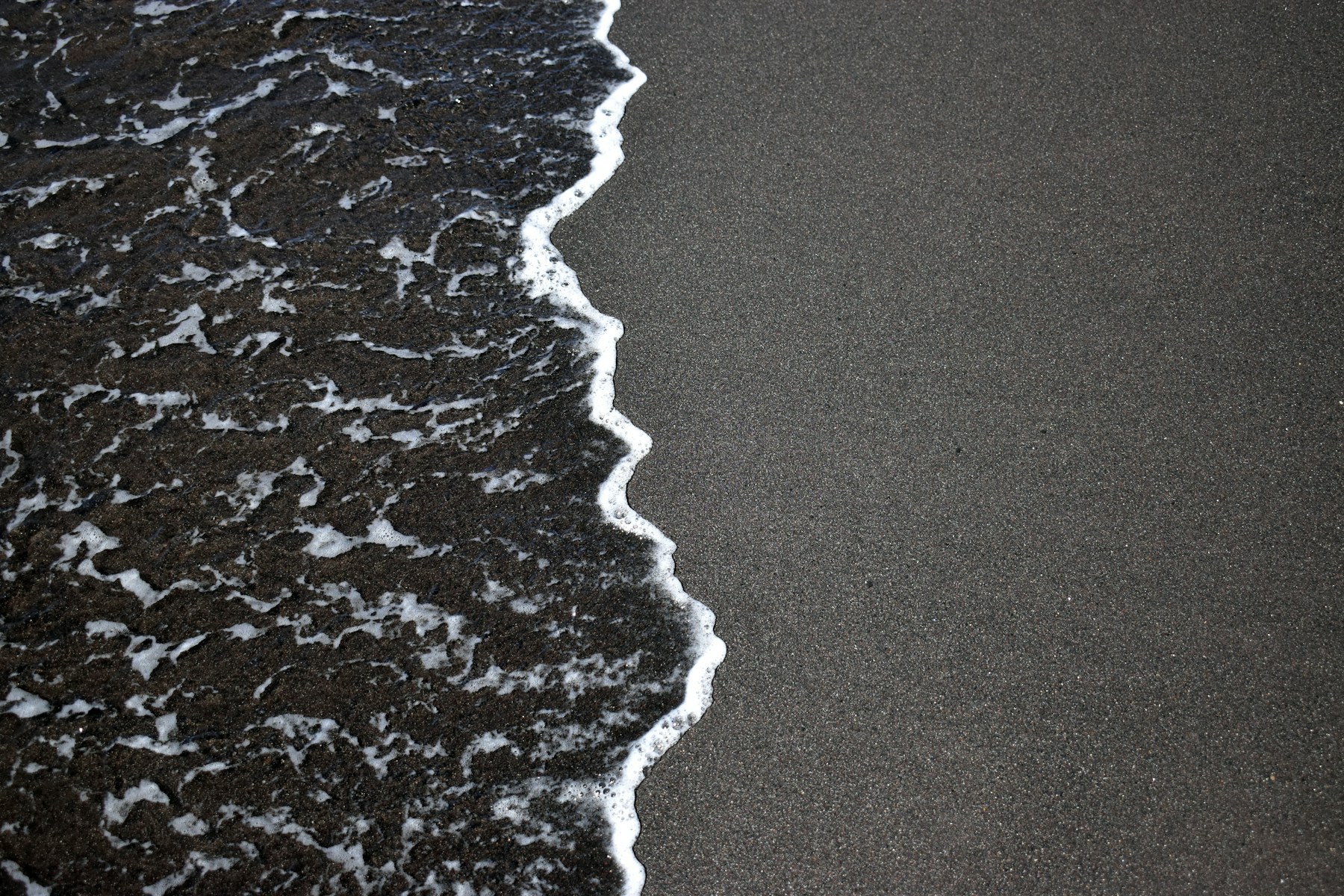
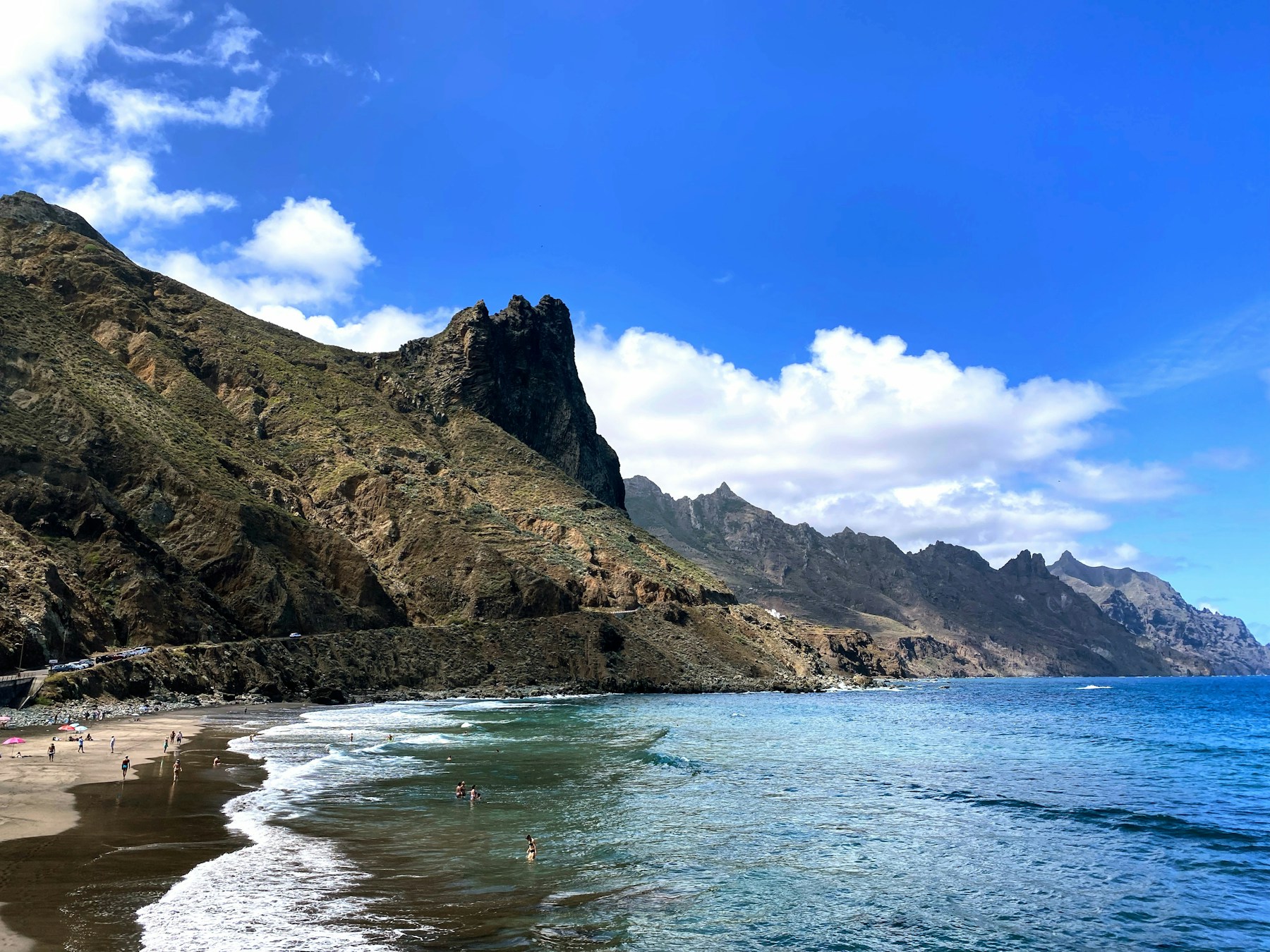
Tenerife’s beaches have a personality very different from Mediterranean postcards. Black sand, Atlantic swell and cliffs constantly recall the island’s volcanic origin. Beaches such as Benijo, El Bollullo, Jardín and La Arena offer swims with character, though flags and currents must always be respected.
Swimming from a black-sand beach feels special: the contrast between cold water, dark rock and strong summer light creates a more intense, less domesticated sensation. Tenerife does not always aim for softness; often its beauty lies precisely in that force.
Anaga: the island’s green shade
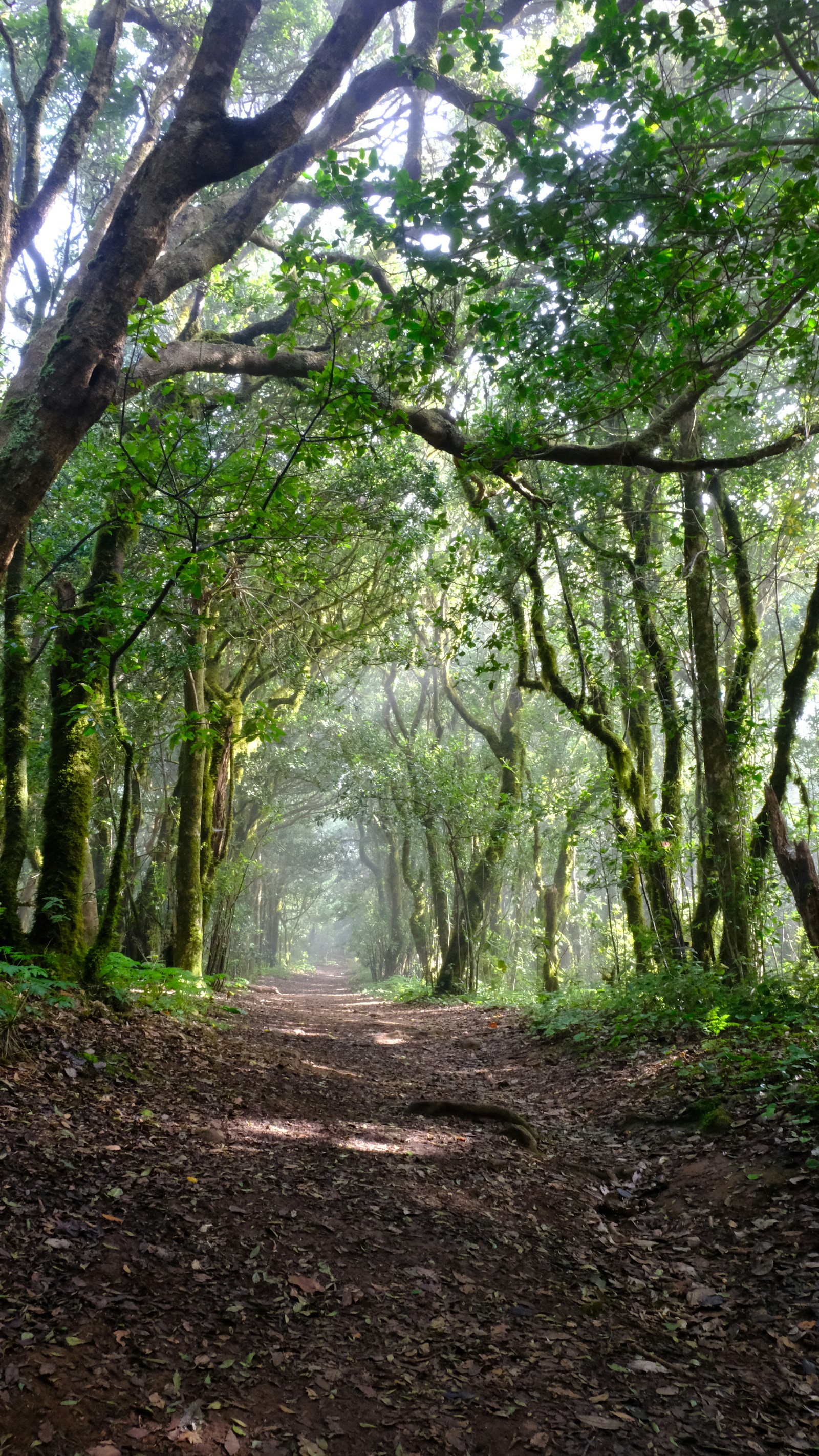
The Anaga Massif seems to belong to another island. Laurel forests, narrow roads, mist, ravines and viewpoints over the Atlantic create a cooler, more mysterious Tenerife, perfect for balancing beach days. In the middle of summer, walking in Anaga means finding shade, humidity and an almost ancient calm.
Trails should be chosen according to time and experience, but even a short route lets you feel the change of world. Taganana, Afur, Chamorga and the northern viewpoints reveal a rugged and beautiful coast, where the sea appears below like a blue promise between green mountains.
Natural pools and lava pools
One of the most local ways to swim in Tenerife is in its natural pools and lava pools. Bajamar, Punta del Hidalgo, Garachico and Jover allow you to enjoy the Atlantic with a little more protection, although the sea always has the final word. These are places where the island turns lava into shelter.
The plan works especially well in the late afternoon, when the heat drops and locals come to swim, talk or simply watch the water. They are not water parks: they are living spaces, strongly dependent on tides and on the respect of those who visit them.
La Laguna and the historic north
San Cristóbal de La Laguna adds the urban and heritage dimension of the trip. Its straight streets, colourful houses, patios and university atmosphere recall the historical connection between the Canary Islands and the Americas. It is perfect when you want to swap beach for architecture, cafés and conversation.
The north of the island adds other rhythms: La Orotava, Garachico, Icod de los Vinos and Puerto de la Cruz reveal a wetter, more traditional Tenerife, less focused on resort life. Here summer is lived between squares, banana plantations, natural pools and long meals.
Eating Tenerife: guachinches, papas and fish
Tenerife’s food deserves its own place in the journey. The guachinches of the north offer local wine, simple dishes and a family atmosphere; papas arrugadas with mojo, grilled cheese, gofio, carne de fiesta and rabbit in salmorejo tell the story of an agricultural and volcanic island.
On the coast, fresh fish, limpets, octopus, squid or grilled vieja make any beach day end better. The key is to eat without too much hurry and let the place lead: a small harbour, a simple terrace, shade and the sea nearby.
The bright south and summer nights
Southern Tenerife concentrates much of the island’s sun tourism: Costa Adeje, Los Cristianos, Playa de las Américas and El Médano offer beaches, hotels, water sports, terraces and long nights. It can be convenient as a base, especially if you want stable weather and services nearby.
El Médano, with its wind and more relaxed mood, adds another personality: surfing, kitesurfing, walks by the sea and views toward Montaña Roja. The south does not have to be lived only as a hotel zone; chosen well, it also allows easy days of swimming, dinner and strolling.
How to organise a summer trip
For a first summer visit, five or six days is ideal. One day for Teide, another for Anaga and Taganana, another for La Laguna and the historic north, several for beaches or natural pools and one for resting without a plan. Tenerife is not kind to travellers who try to see everything in a rush.
Renting a car helps a lot, but distances and mountain roads should be measured carefully. Waking early in summer avoids heat, traffic and full car parks. The island rewards those who alternate intensity and pause: a strong excursion in the morning, a swim in the afternoon, a simple dinner and deep sleep.
The island that mixes fire, forest and ocean
Tenerife is not a single postcard. It is volcano, ancient forest, black beach, colonial town, ravine, lava pool and fish restaurant facing the Atlantic. That variety means summer here can be active, quiet, family-focused, gastronomic or contemplative depending on the day.
Those who arrive looking for sun will find it. But those who move around a little discover something more valuable: a complete island, with a strong identity and landscapes that change mood at every bend. Tenerife does not only warm the summer; it makes it larger.
A Comfortable Plan For Families
A balanced day in Tenerife works best like this: in the morning, drive early toward Teide with a booking or parking margin; around midday, eat along the route without straying far from La Orotava, Vilaflor or Santiago del Teide; in the afternoon, drop down toward a volcanic beach or a viewpoint when the heat eases; at sunset, keep sunset for Garachico, Punta de Teno or the Adeje coast depending on where you sleep; and at night, dine near your lodging instead of linking mountain roads while tired. The point is not to fill every minute, but to avoid the most common friction points: heat, queues, long transfers and meals chosen when everyone is already tired.
A Route With Pauses, Shade And Toilets Nearby
Think of the experience as a simple line: south or north as a base, Teide as the central day, Anaga for greenery and bends, and a volcanic-coast afternoon. This mental map helps you decide what to skip if the day gets slower than expected. A good itinerary is not the one that covers the most places, but the one that keeps the route coherent and gives each stop enough time to be remembered.
Choosing Lodging Without Complicating The Day
If you sleep in an apartment, buy water, fruit and breakfast supplies on the first afternoon: distances look short, but the island is organised by ravines, bends and microclimates.
What To Avoid With Children Or A Group
Do not combine Teide, Anaga and a distant beach in one day; do not underestimate temperature changes at altitude; and do not plan Masca or Teno without checking access and parking.
Heat, Transport And Easy Access
Summer rewards early starts and advance bookings; spring and autumn are better for walking; in winter, layers are essential for Teide. For transport, choose the simplest connection back to your lodging before adding extra stops. For accessibility, reduce cobbled streets, steep climbs or long beach approaches when travelling with children, older guests, wheelchairs or heavy luggage.
Eating Without Breaking The Group Rhythm
For eating well, prioritise guachinches and simple local restaurants away from the busiest promenades, straightforward fish in coastal villages and real Canarian cooking over endless seafront menus.
Common questions before you go
Quick answers to decide whether Tenerife For Families Or Couples: Teide, Anaga And Volcanic Beaches fits your trip and how to plan it with a Destinations lens.
How much time should I set aside for Tenerife For Families Or Couples: Teide, Anaga And Volcanic Beaches?
A half day is the sensible minimum. If it is your first visit, leave time to walk slowly and add a proper meal or rest stop.
What is the best season for this experience?
It works year-round, but spring and autumn usually offer the best balance of weather, light and crowds.
What is the best way to get around?
Combine public transport with short walks. Moving a car between central stops usually costs more time than it saves.
What is your advice if I am staying nearby?
Use the proximity to split the plan in two: the main visit in the morning and a freer walk late in the day.
What mistake should I avoid?
The most common mistake is trying to see everything in one day. Choose a coherent route and leave something for another time.
Operating a Rental in this area?
Stay fully compliant with Spain's strict tourism regulations. HazCheckin automates your guest registration and legal reporting directly to Spanish authorities.