
By Marcos Riera
Guide reviewed under editorial standards
This experience is structured to provide an itinerary, local context, transport, recommended season and mistakes to avoid. See how we review guides
How to make the most of this experience
Useful planning notes for A Weekend In Salamanca: University, Golden Stone And Tapas with a Destinations lens, especially if you are travelling with limited time or staying nearby.
Recommended duration
Between half a day and two days, depending on your pace and the stops you add.
Best season
Year-round, adjusting timings to avoid heat, rain or peak crowds.
How to get around
Prioritise public transport and walking sections; avoid moving the car between nearby stops.
Best for
First-time visitors, couples, apartment-based travellers and weekend breaks.
Accessibility
Check slopes, cobbles and real walking distances before closing the route.
Estimated budget
Medium: combine free visits with one or two well-chosen paid entries.
Keep the most demanding visit for the morning and leave the afternoon for walks from your stay.
Trying to see everything in one day and ending up jumping from photo to photo.
Salamanca does not reveal itself all at once. It slowly warms the eye, like the golden Villamayor stone when the afternoon light begins to fall. The city seems designed for unhurried walking, with a blend of university solemnity, lively squares, ancient bells and bars where travel turns into conversation.
This experience follows essential Salamanca: Plaza Mayor as an open-air living room, the University and its Plateresque facade, the two cathedrals, the Roman Bridge, quiet convents and a Castilian food culture made for proper meals and long conversations. Salamanca is monumental, but above all it is companionable.
Plaza Mayor: the golden urban salon
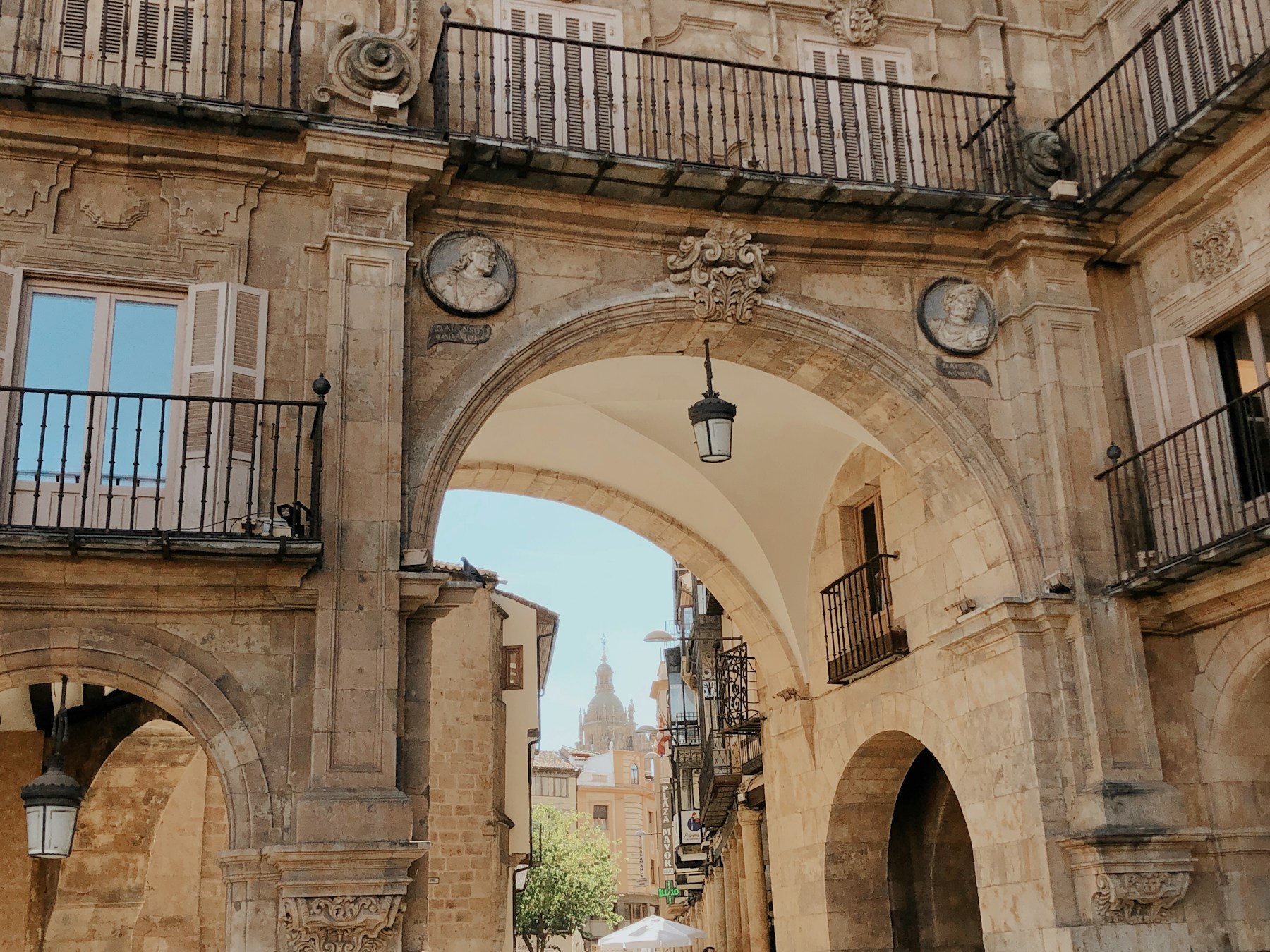
Salamanca’s Plaza Mayor is one of those places that explains an entire city. By day it gathers terraces, students, travellers and locals who use it as a natural meeting point. At night, when it lights up, the stone takes on a warm glow that turns a simple stroll into a ceremony.
It is worth returning several times: in the morning, as the city wakes up; at midday, when the terraces gather pace; and at dusk, when everything feels more theatrical. You do not need to do much. Sit down, look at the medallions, listen to the murmur and understand why the square works as Salamanca’s civic heart.
The University and the search for the frog
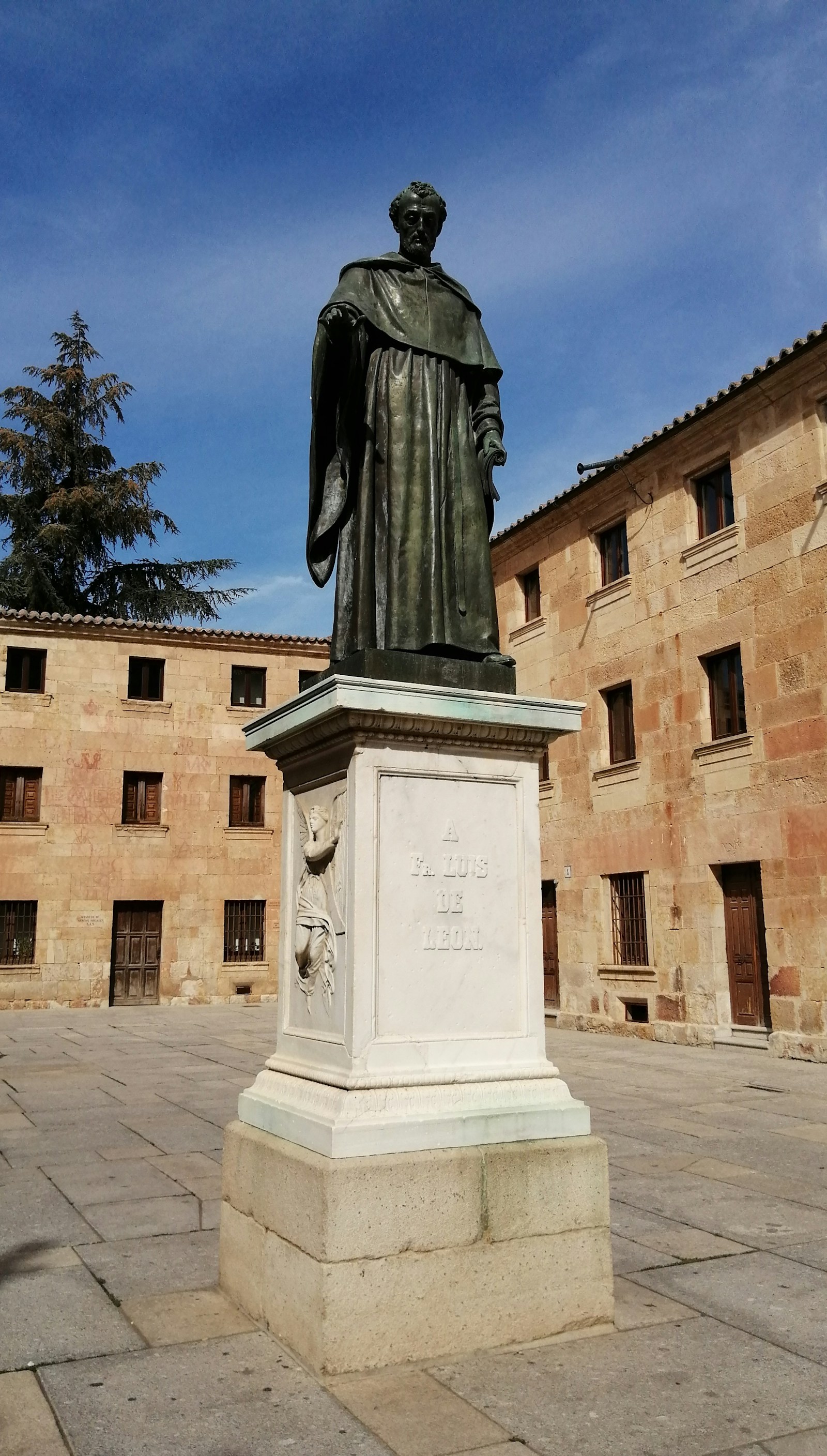
Founded in 1218, the University of Salamanca is one of Europe’s great historic institutions. Its Plateresque facade is a lesson in visual patience: coats of arms, figures, columns, symbols and details that ask you to come closer. Among them hides the famous frog, small and playful, now a ritual for visitors.
But the University is not just a photograph or a superstition. Its presence shapes the city’s character: bookshops, courtyards, cafés, residences, young conversations and an academic energy that crosses the centuries without becoming trapped in them. Salamanca breathes study, but it never feels stiff.
Two cathedrals, one silhouette
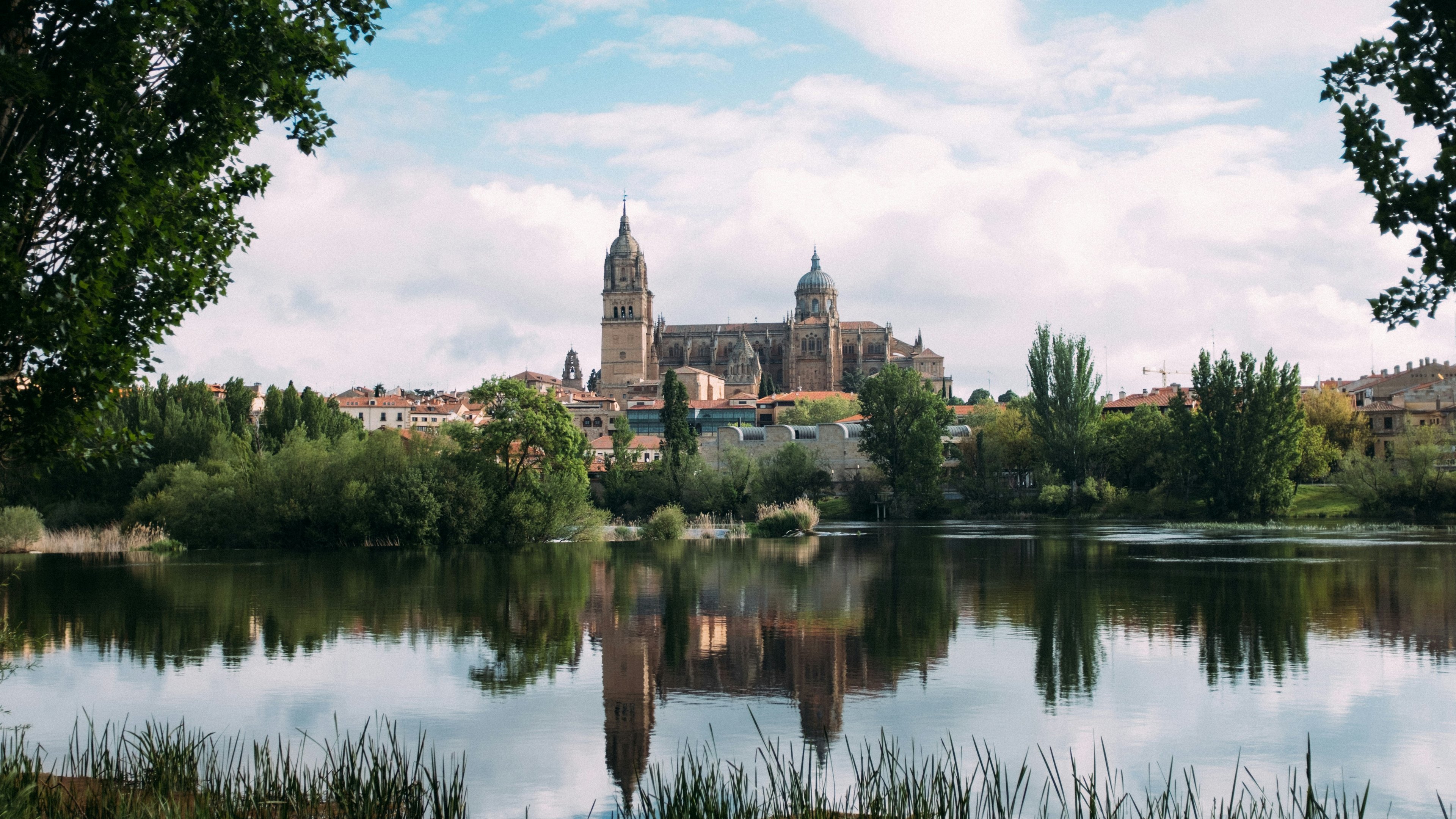
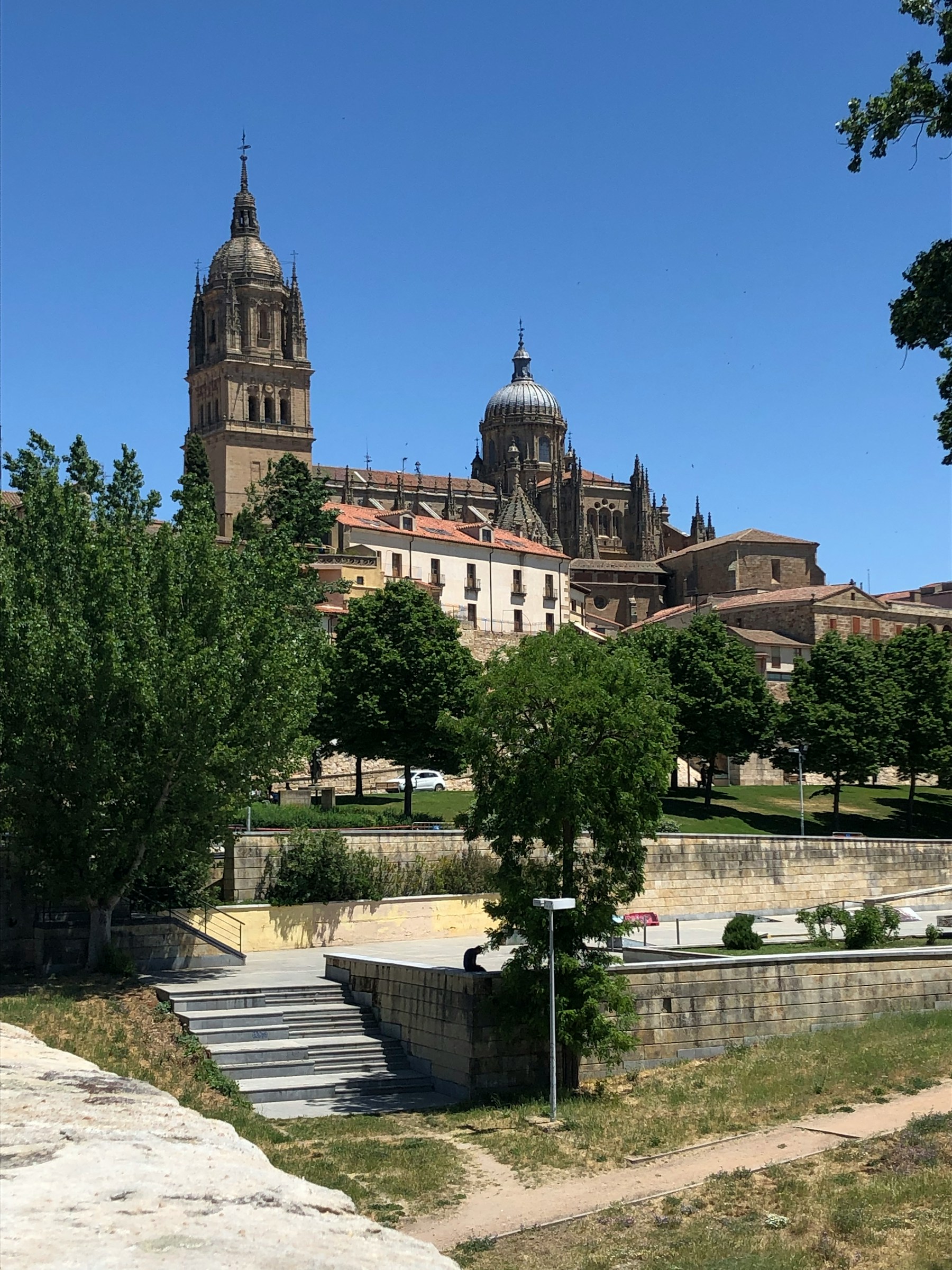
Few cities can boast two cathedrals joined together, as if time had refused to choose. The Old Cathedral preserves a Romanesque sobriety that invites silence; the New Cathedral rises with Gothic and Baroque ambition, dominating the city profile from almost every viewpoint.
The complex is worth visiting inside, but it is just as powerful from the outside. Walking around it reveals angles, buttresses, portals and changing light on the stone. At sunset, the view from the Tormes river area offers one of Castile’s most memorable images.
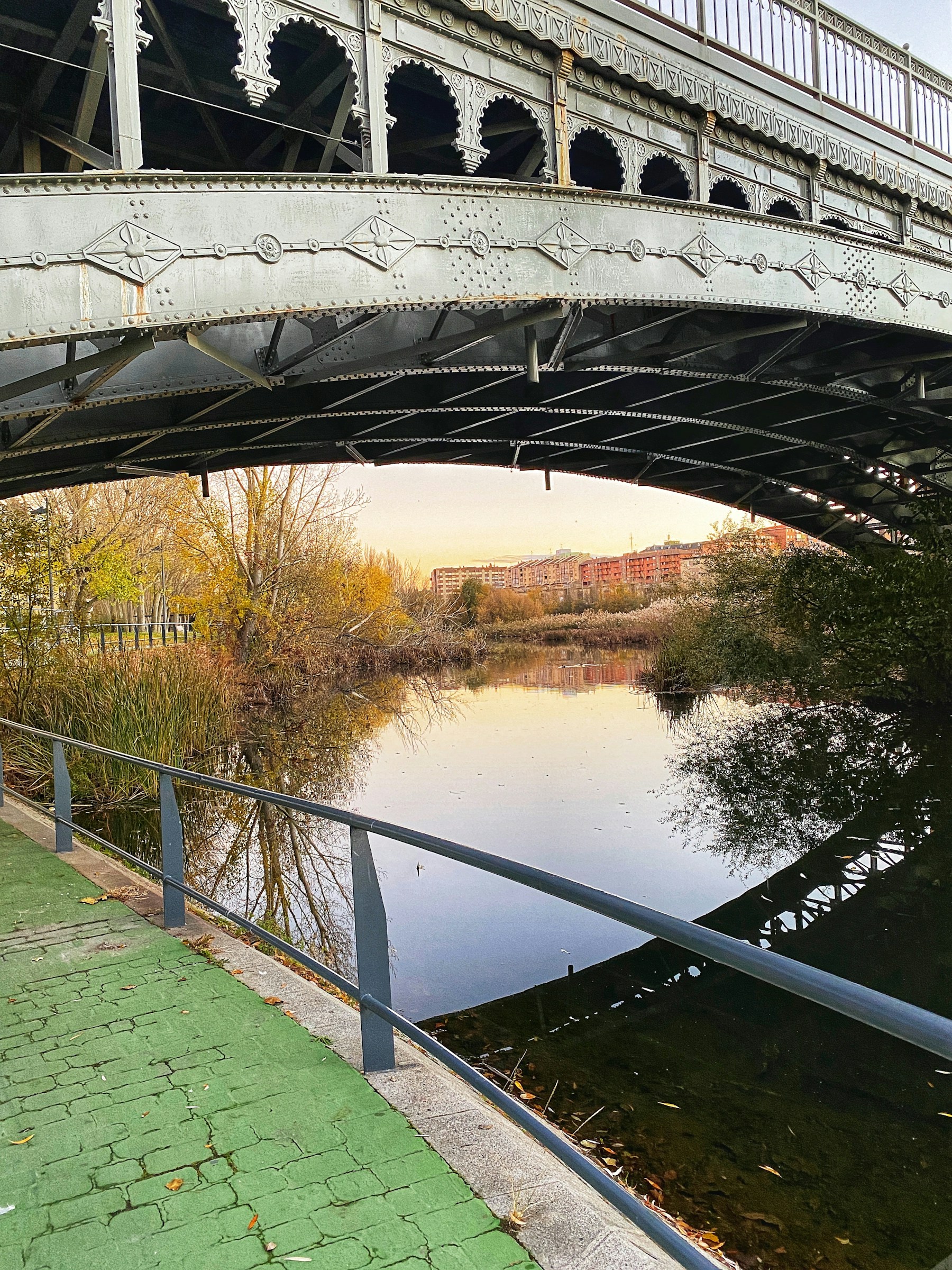
The Roman Bridge and the Tormes
Heading down to the Tormes changes the scale of the journey. From the Roman Bridge, Salamanca stops being a sequence of monuments and becomes a silhouette: towers, domes and rooftops gathered above the horizon. It is the perfect place to step back and see the city as a whole.
Early in the morning or at the end of the day, the riverside walk has a special calm. There is less hurry, less noise and more sky. After streets loaded with history, the Tormes offers air and perspective.
Convents, courtyards and quiet corners
Salamanca also shines in its quieter spaces. The Convent of San Esteban impresses with its monumental facade and the serenity of its cloisters. The Casa de las Conchas, with its symbolic shell-covered exterior, creates a pause between university life and the monumental city.
Leave room to wander. Some streets lead to discreet courtyards, old bookshops, less visited churches and corners where the stone seems to change colour depending on the hour. Salamanca rewards travellers who do not turn the visit into a checklist.
Castilian tapas and long meals
Salamanca’s cuisine has substance: hornazo, farinato, Iberian cured meats, cheeses, grilled meat and stews that remind you this climate calls for generous dishes. The Van Dyck area is a classic for tapas, while the historic centre also keeps simple, reliable bars.
The best plan is not to chase the perfect place, but to combine walking and stopping. One tapa, one drink, another street, another bar. Salamanca lends itself to a kind of travel where food does not interrupt the visit; it accompanies it.
When to go and how to experience it
Spring and autumn are the most pleasant seasons for exploring Salamanca on foot. In winter the city gains a sober, academic mood; in summer, nights in Plaza Mayor make up for the heat of the day. Two days are enough for the essentials, while three allow you to enter monuments without rushing.
Salamanca is best explored without a car. The historic centre is compact, photogenic and full of subtle changes in light. The key is to alternate major monuments with small pauses: a coffee, a viewpoint, a courtyard, a bar, a nighttime return to the square.
A city that glows slowly
Some cities impress through size, others through intensity. Salamanca belongs to the second group. Its beauty does not depend on a single icon, but on a sum of things: golden stone, centuries of university life, living squares, towers at sunset and a calm way of inhabiting the street.
Those who arrive looking for heritage find much more: a liveable, cultured, warm and deeply Castilian city. Salamanca does not need to shout to stay in the memory. It only needs to glow when the light falls.
What To Do If It Rains Or The Day Slows Down
A balanced day in Salamanca works best like this: in the morning, enter through Plaza Mayor before it fills and continue toward the University; around midday, give the central hours to the Cathedrals and nearby streets, with a short tapas pause; in the afternoon, walk down toward the Roman bridge and look back at the city from the Tormes; at sunset, return when Villamayor stone turns warmer and more golden; and at night, have tapas without missing Plaza Mayor after dark. The point is not to fill every minute, but to avoid the most common friction points: heat, queues, long transfers and meals chosen when everyone is already tired.
Covered Route, Short Walks And Shelters
Think of the experience as a simple line: Plaza Mayor, University, Cathedrals, the Tormes river and a night return to the centre. This mental map helps you decide what to skip if the day gets slower than expected. A good itinerary is not the one that covers the most places, but the one that keeps the route coherent and gives each stop enough time to be remembered.
Staying Close To The Backup Plan
If you stay in a central apartment, avoid moving the car: Salamanca is won on foot, and the real value is being able to go out after dinner without logistics.
Grey-Day Mistakes
Do not reduce the city to the frog photo; do not leave the Cathedrals until closing time; and avoid a heavy lunch before an afternoon in the old town.
Weather, Transport And Real Accessibility
Spring and autumn bring the best light and temperature; summer works with a proper midday break; winter can be cold but very photogenic. For transport, choose the simplest connection back to your lodging before adding extra stops. For accessibility, reduce cobbled streets, steep climbs or long beach approaches when travelling with children, older guests, wheelchairs or heavy luggage.
Where To Take Shelter And Eat Well
Look toward Van Dyck for local tapas energy, more comfortable tables around the historic centre when you want an easier meal, and Iberian products in places that do not depend only on passing tourists.
Common questions before you go
Quick answers to decide whether A Weekend In Salamanca: University, Golden Stone And Tapas fits your trip and how to plan it with a Destinations lens.
How much time should I set aside for A Weekend In Salamanca: University, Golden Stone And Tapas?
A half day is the sensible minimum. If it is your first visit, leave time to walk slowly and add a proper meal or rest stop.
What is the best season for this experience?
It works year-round, but spring and autumn usually offer the best balance of weather, light and crowds.
What is the best way to get around?
Combine public transport with short walks. Moving a car between central stops usually costs more time than it saves.
What is your advice if I am staying nearby?
Use the proximity to split the plan in two: the main visit in the morning and a freer walk late in the day.
What mistake should I avoid?
The most common mistake is trying to see everything in one day. Choose a coherent route and leave something for another time.
Operating a Rental in this area?
Stay fully compliant with Spain's strict tourism regulations. HazCheckin automates your guest registration and legal reporting directly to Spanish authorities.