By Lucía Marín
Guide reviewed under editorial standards
This experience is structured to provide an itinerary, local context, transport, recommended season and mistakes to avoid. See how we review guides
How to make the most of this experience
Useful planning notes for Rural Albarracín: Walls, Guadalaviar and the Red Sierra with a Rural lens, especially if you are travelling with limited time or staying nearby.
Recommended duration
A full day or a weekend escape if you want to enjoy it slowly.
Best season
Autumn, especially on weekdays if you want fewer crowds.
How to get around
A car is useful for flexibility, especially if you add viewpoints or nearby villages.
Best for
Slow escapes, families, couples and travellers who want to disconnect.
Accessibility
Expect stretches without pavements, narrow lanes or limited transport.
Estimated budget
Low to medium, with more weight on transport and local meals.
Buy water or basics before leaving: small village opening hours can be limited.
Planning as if it were a city: here opening hours, roads and calm set the pace.
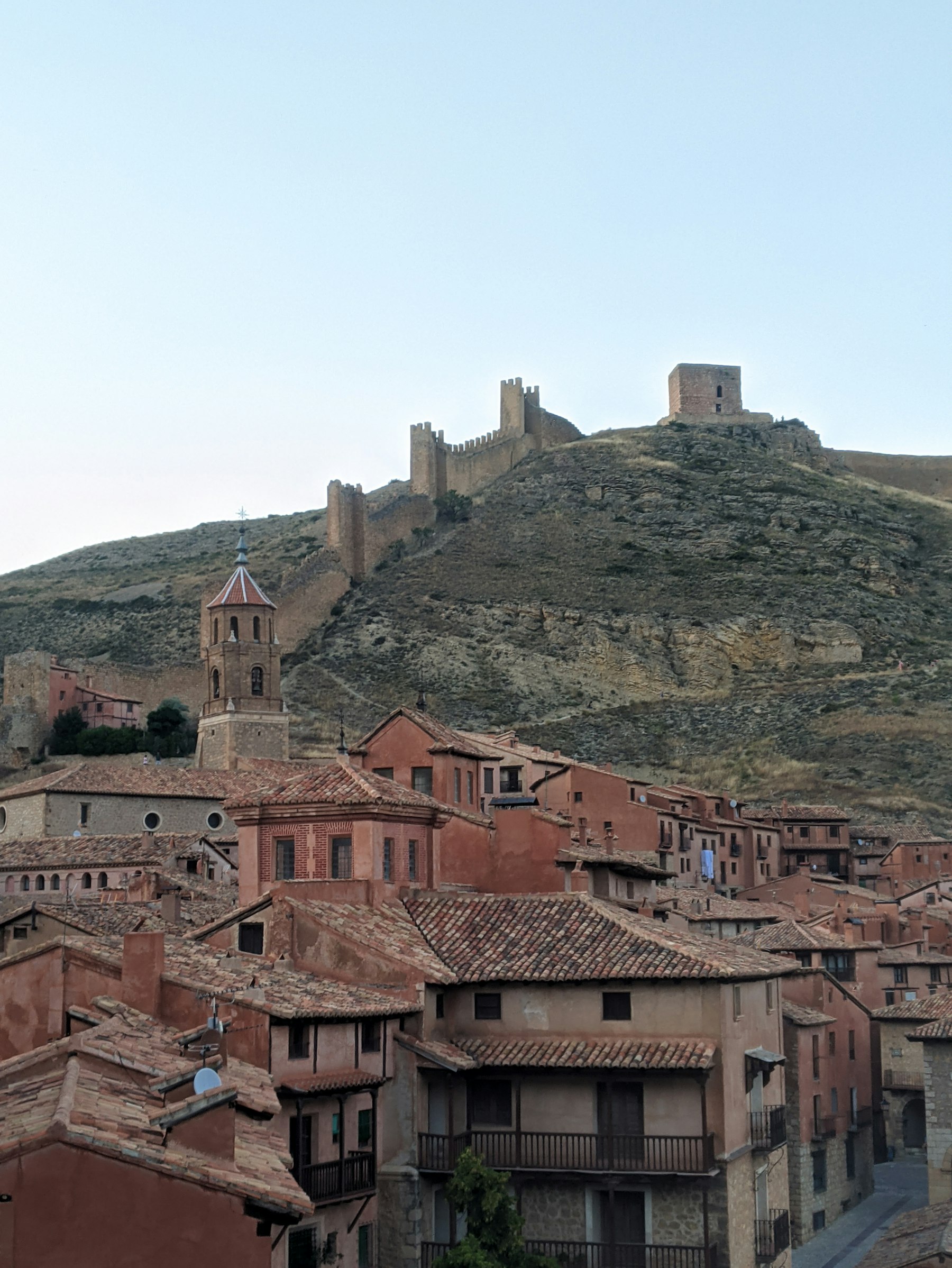
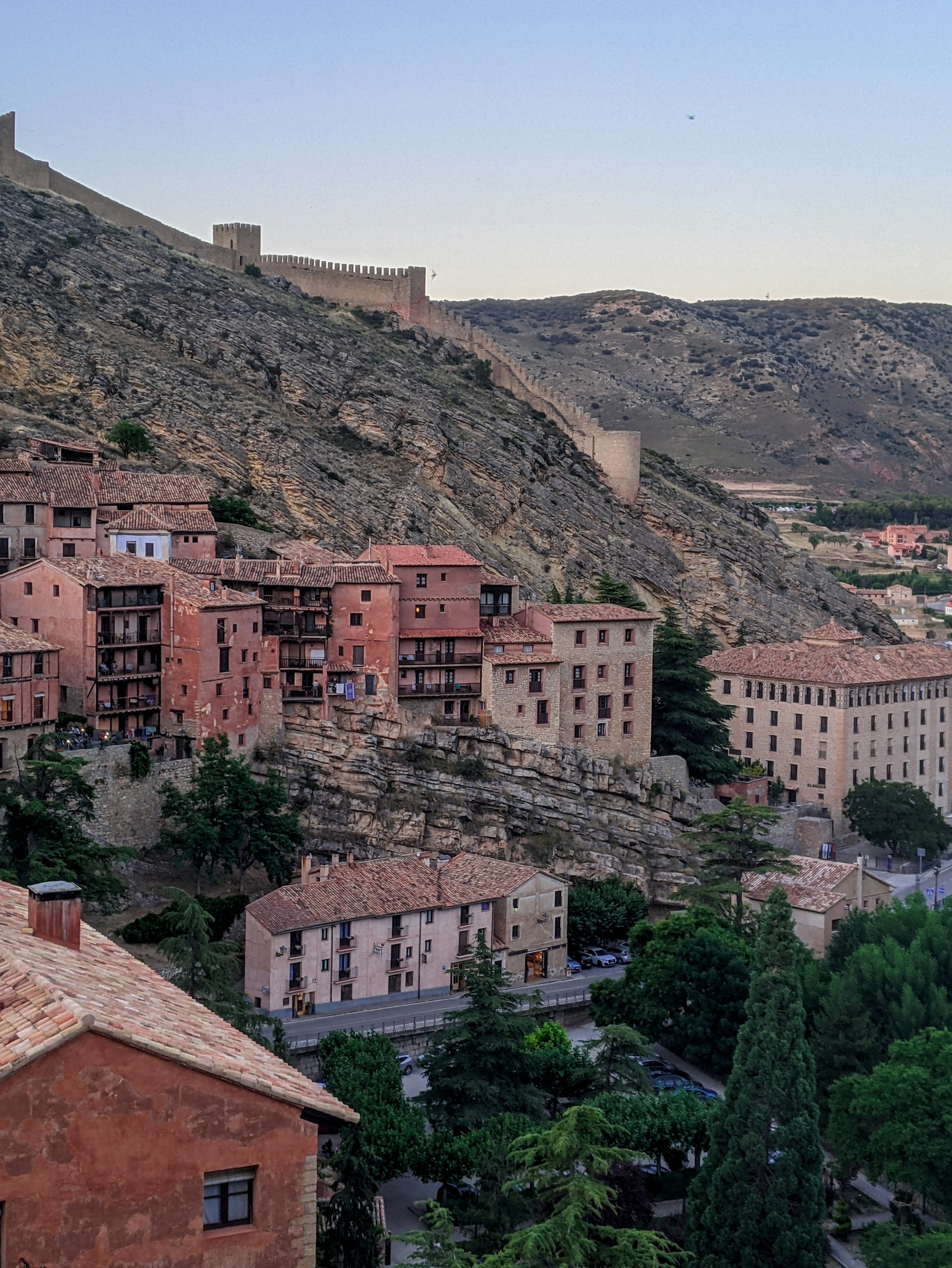
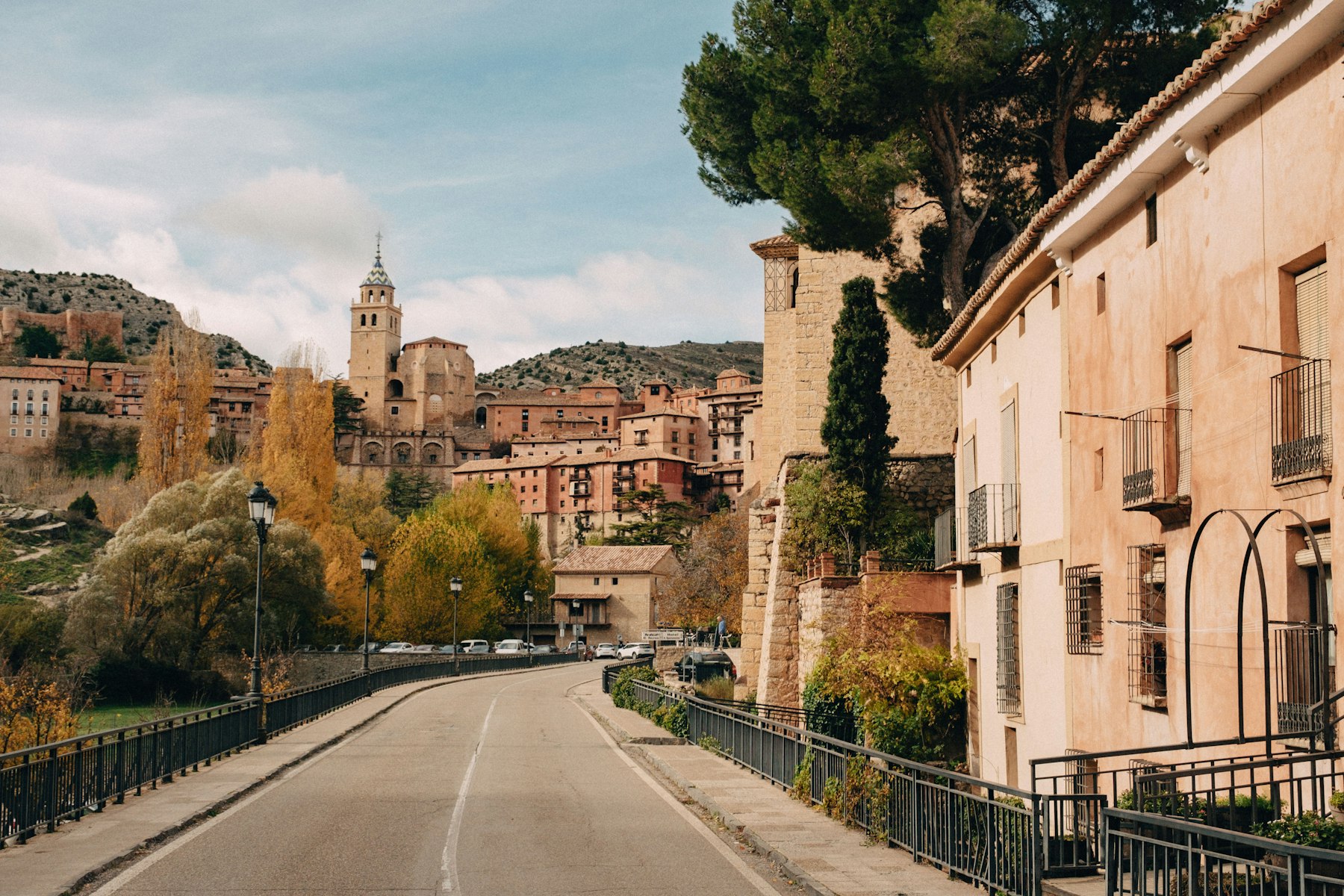
Albarracín makes more sense from the river bend: pink rammed-earth houses packed onto the rock, the cathedral rising among roofs, and a wall that climbs the hillside to the Torre del Andador. It is not a village to tick off a list of beautiful places and leave. It is a medieval town in Teruel where slopes, opening times and the car matter more than any postcard.
This rural experience is for travellers sleeping in Albarracín or in the sierra who want to order the day: old town, walls, a booked cathedral visit, a Guadalaviar walk and, if time remains, the Pinares de Rodeno. The usual mistake is arriving late, skipping the Fundación Santa María booking and seeing only the streets.
Arrive without turning Teruel into a race
Albarracín sits about 38 kilometres from Teruel, around 40 minutes on mountain roads. A car is the practical choice. From Zaragoza or Valencia, reach Teruel on the A-23 first, then follow the N-234 to the turn-off. The last stretch is beautiful but winding: do not rush the first day if you want daylight on the walls.
Without a car, there is a bus from Teruel on weekdays; Sundays and holidays often have no service. Check return times before you plan the day. In winter, frost can change everything: watch the weather and do not leave parking until the last minute. The old town is tight; park outside and walk in.
Old town, Julianeta and streets you cannot rush
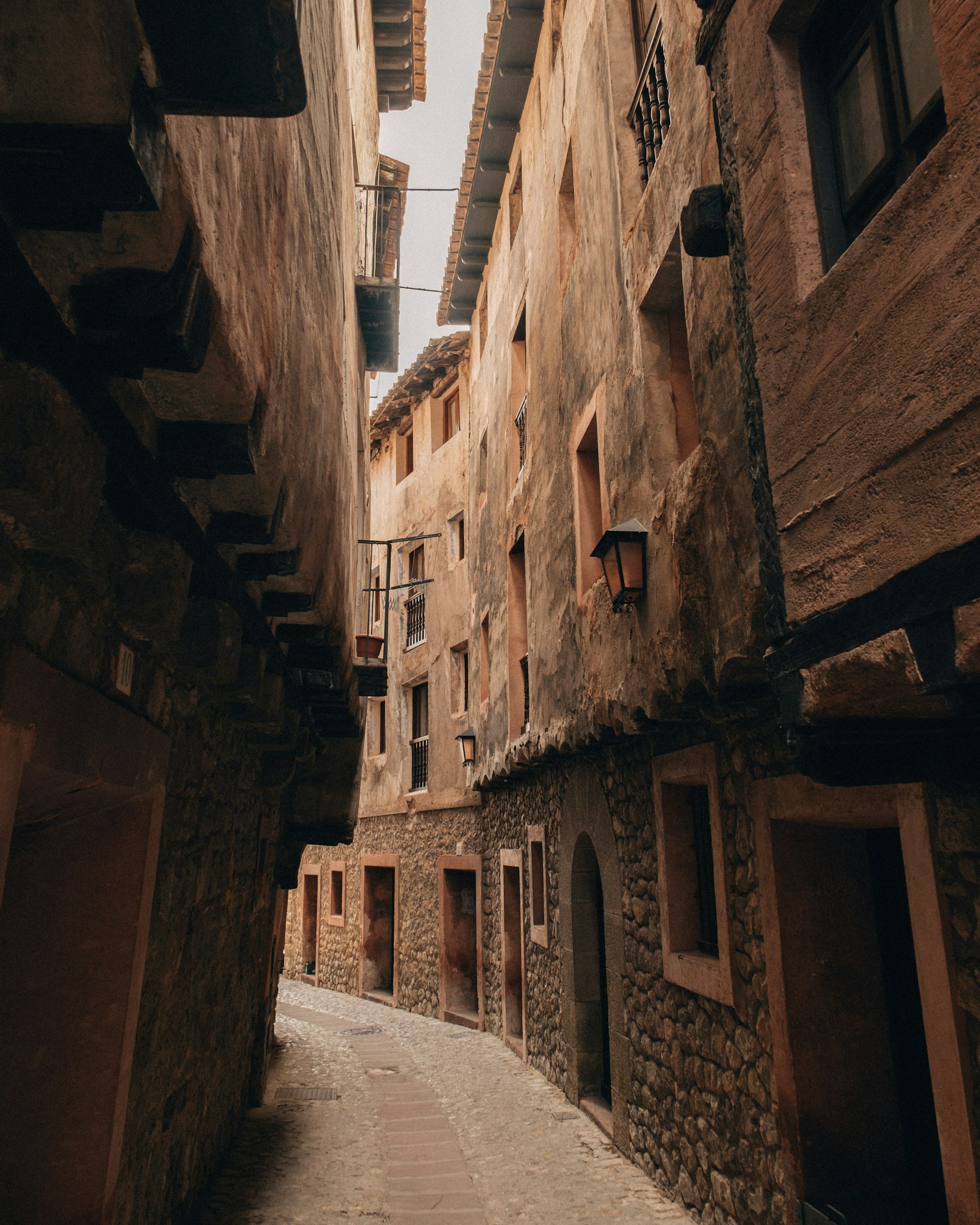
The centre is walked, and it asks for proper soles. Plaza Mayor, Portal de Molina, Portal del Agua, Casa de la Julianeta and the stacked fan of houses explain the town better than a distant viewpoint. The rammed-earth façades and timber frames are not decoration: they are the sierra’s own material, the same colour as the stone.
You do not need a long list. Get lost with a method: climb slowly, look through an arch, drop toward the river and climb again. On weekends and public holidays the old town fills early. First light or late afternoon gives another scale, with fewer groups and more shade in the lanes.
Walls and the Torre del Andador
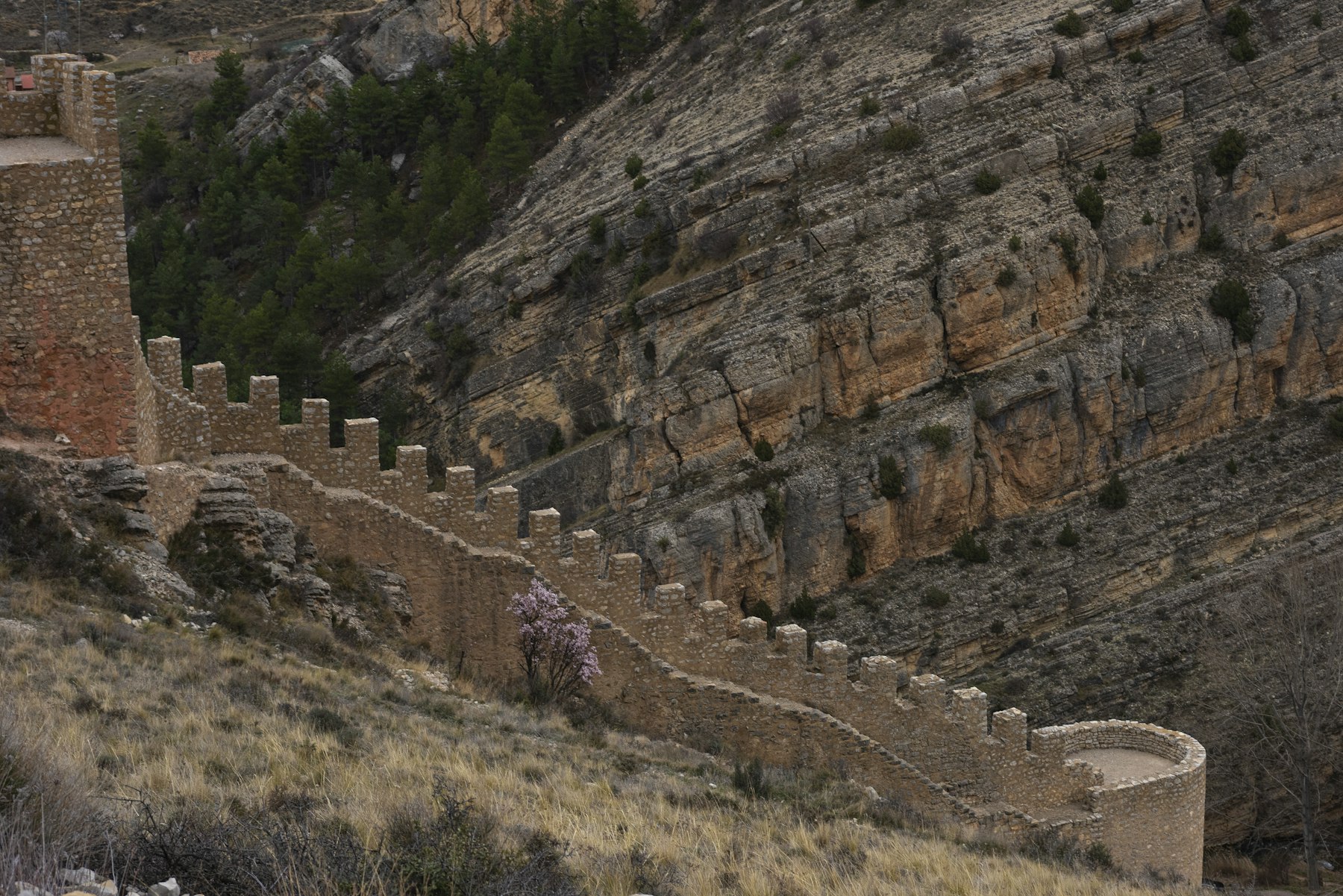
The wall is a vertical map. It climbs the slope, merges with the rock and ends at the Torre del Andador. From there you see why Albarracín was hard to take: the Guadalaviar closes the meander and the hill does the rest. The alcazaba and Torre de doña Blanca complete the circuit, but you do not need to collect every tower.
The path is uneven, windy and unsheltered at midday. In summer, go early or at dusk. With children or reduced mobility, choose a short stretch and a viewpoint; the old town’s slopes already count as effort. Close gates if you find them and stay off private land: the wall still belongs to a living village.
The cathedral is visit-only with a booking
You cannot walk into the Cathedral of El Salvador on your own. Access is through guided visits run by the Fundación Santa María de Albarracín, which also sells a town-plus-cathedral ticket. Tours are in Spanish, with an audioguide in other languages, and last about an hour, or nearly two if you add the old town. The information point is in the Episcopal Palace stables, beside the cathedral: 978 704 035.
Book before you leave home. In season and on weekends, slots fill; during the September patron-saint fiestas visits can be cancelled. A costly mistake is arriving at noon, finding the next group at 16:30 and losing the light on the wall. Fit the cathedral in early and leave the afternoon for the hill or the river.
The Guadalaviar as a map
The river explains the town. From the tourist office on Calle San Antonio, a path beside the Guadalaviar shows the wall, the orchards and the meander without another drive. It is the gentlest plan with children, or when the old town has already tired your legs: shade, water and Albarracín seen from outside.
Do not turn it into a long hike. An out-and-back stretch is enough to change scale: first the tight streets, then the valley. In autumn the poplars mark the approach; in summer the river cools the rammed earth. Carry water anyway: old-town services are not waiting at every bend of the path.
Pinares de Rodeno and the sierra around
If you stay more than one night, the Sierra de Albarracín opens another trip: the protected landscape of the Pinares de Rodeno, red sandstone, resin pines and rock art. It is not a decorative extra. It is the same colour as the houses, seen as geology. Bezas, Calomarde or the source of the Tagus are close by car, but each one needs time.
On a first visit, choose one landscape and come back. Mixing Rodeno, the Tagus source and every tower in the same day turns the sierra into a checklist. Ask at the tourist office about access, parking and track restrictions. In summer, start early; in winter, mud and ice decide.
Eating, sleeping and respecting opening hours
The table fits the sierra: Teruel ham, ternasco lamb, migas, stews, truffle in season and local wine. Book dinner if you arrive on a weekend. Hours are not those of a tourist city; a kitchen closed at 16:00 is the plan, not an anecdote. Buy water and basics before climbing into the old town if your lodging sits outside.
Sleeping in Albarracín changes the visit. When day groups leave, bells, stone and a darkness the sierra takes seriously remain. A rural house nearby works if you accept driving. In a hotel or apartment inside the walls, check access, bags and whether the car stays below: these streets do not forgive a wheeled suitcase.
An hour-by-hour plan for a full day
09:30. Guided cathedral visit, or the town-plus-cathedral ticket. If that slot is gone, book late morning and use first light for Plaza Mayor and the Julianeta.
12:00. Old-town streets without hurry: Portal del Agua, stepped lanes and a coffee. Do not stack more monuments; the slope already counts as effort.
14:00. A booked lunch or a simple picnic. Avoid hunting for a table at one o’clock in August or on a holiday weekend.
16:30. The wall and Torre del Andador, or the Guadalaviar walk if heat or tired legs ask for shade. At dusk the rammed earth changes colour and the town justifies staying the night.
Mistakes to avoid
Do not improvise the cathedral. Do not treat Albarracín as a quick stop between Teruel and the coast: you lose the wall and arrive tired. Do not underestimate the slopes or the sun on the hillside. Do not leave parking until the old town is already full.
Do not treat the houses as a set. People live here, doorways are narrow and the streets are not a film lot. With a pushchair or wheelchair, choose the river walk and a viewpoint; the medieval core is irregular on purpose.
When to go and how to experience it
Spring and autumn are the balance: light, temperature and less crush. Summer works if you start early, book visits and keep midday for lunch or rest. Winter is quieter and more photographic, with short days and ice risk on the road.
The experience is not about seeing everything. It is about choosing well: one booking, one stretch of wall, one river walk and enough time for Albarracín to stop looking like a postcard village.
Useful sources before you go
Before travelling, check the Fundación Santa María de Albarracín site for cathedral, alcazaba and museum hours, Turismo de Albarracín for the Guadalaviar walk, and Teruel tourism for roads and the Sierra de Albarracín. In a destination built around guided visits, the official timetable matters as much as the view.
Common questions before you go
Quick answers to decide whether Rural Albarracín: Walls, Guadalaviar and the Red Sierra fits your trip and how to plan it with a Rural lens.
How much time should I set aside for Rural Albarracín: Walls, Guadalaviar and the Red Sierra?
A full day is the recommended minimum; if you can sleep nearby, the experience improves because rural rhythm does not fit a rush.
What is the best season for this experience?
Spring and autumn are especially rewarding. In summer, start early; in winter, confirm daylight and open services.
What is the best way to get around?
A car is usually the most practical option. If you rely on bus or train, confirm return frequencies before planning the day.
What is your advice if I am staying nearby?
Buy basics before arriving and ask about local hours. In rural settings, improvisation depends more on limited services.
What mistake should I avoid?
Do not plan with an urban mindset. In villages and rural areas, roads, light and local hours set the pace.
Operating a Rental in this area?
Stay fully compliant with Spain's strict tourism regulations. HazCheckin automates your guest registration and legal reporting directly to Spanish authorities.