
By Inés Valls
Guide reviewed under editorial standards
This experience is structured to provide an itinerary, local context, transport, recommended season and mistakes to avoid. See how we review guides
How to make the most of this experience
Useful planning notes for Easy Valencia: Old Town, Turia, Beach And Rice Without Stress with a Destinations lens, especially if you are travelling with limited time or staying nearby.
Recommended duration
Between half a day and two days, depending on your pace and the stops you add.
Best season
Summer and late spring, avoiding the middle of the day for outdoor plans.
How to get around
Prioritise public transport and walking sections; avoid moving the car between nearby stops.
Best for
First-time visitors, couples, apartment-based travellers and weekend breaks.
Accessibility
Check slopes, cobbles and real walking distances before closing the route.
Estimated budget
Medium: combine free visits with one or two well-chosen paid entries.
Keep the most demanding visit for the morning and leave the afternoon for walks from your stay.
Trying to see everything in one day and ending up jumping from photo to photo.
Valencia has a very particular way of welcoming travelers: it does not show off too loudly, yet it has almost everything. An old city with a market soul, futuristic architecture that seems to float over water, neighborhoods full of daily life, wide beaches and a fertile huerta that still explains how people eat, speak and live beside the Mediterranean.
This experience follows Valencia without turning it into a checklist. The idea is to follow the light: the light entering the domes of the Central Market, reflecting across the City of Arts and Sciences, falling over Malvarrosa beach and slowly fading over the Albufera lagoon.
The City of Arts and Sciences
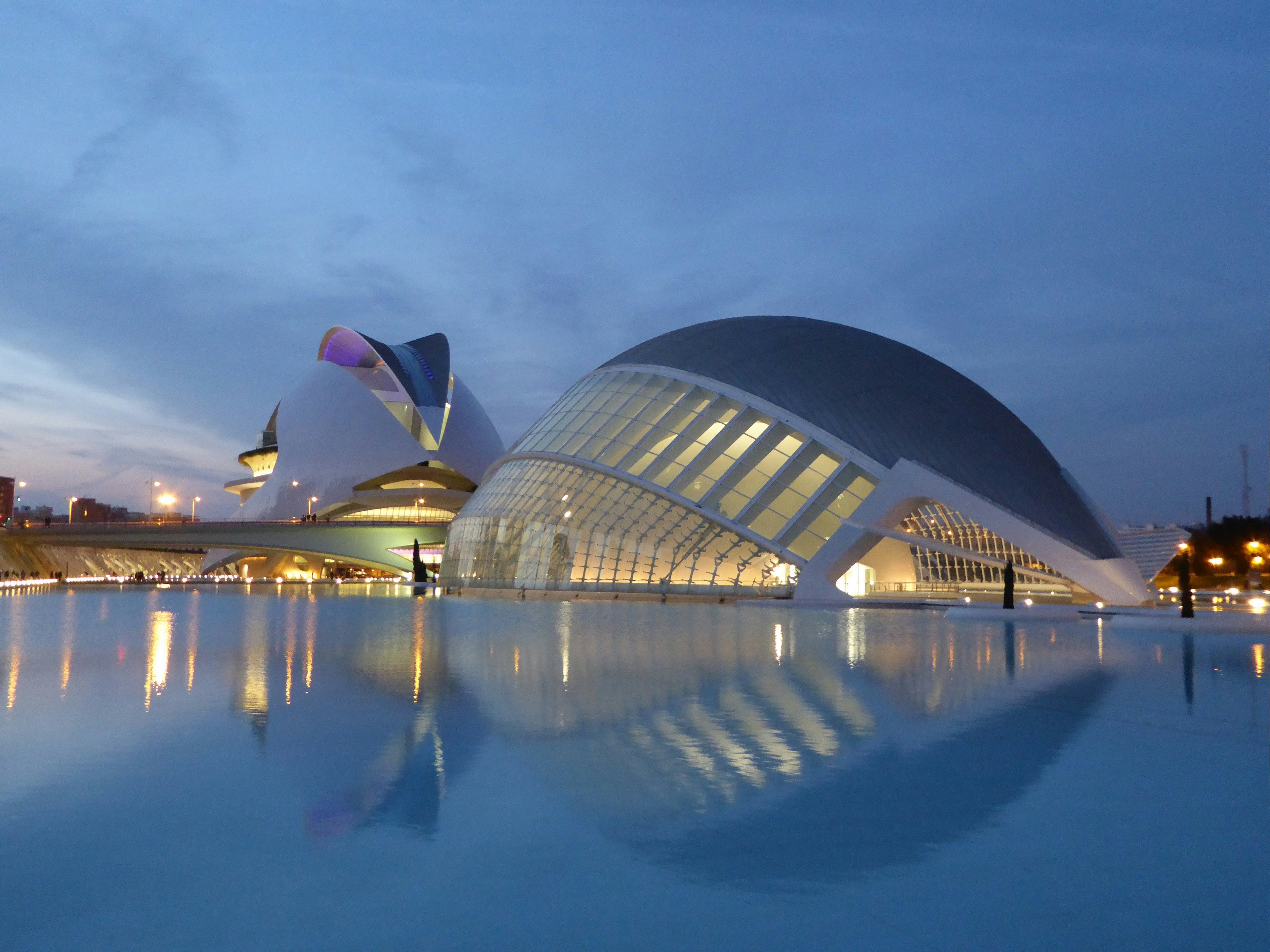
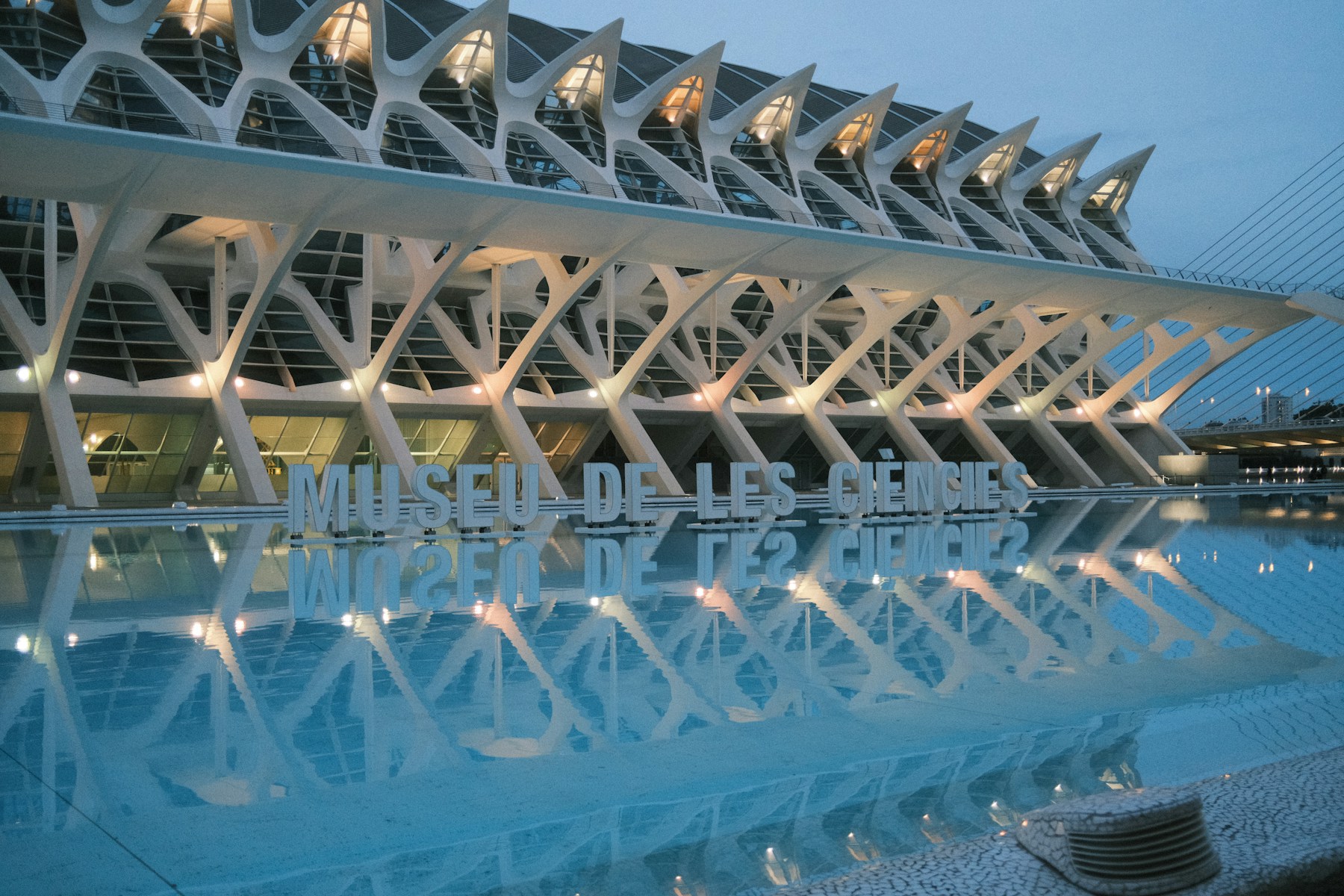
Few images capture contemporary Valencia better than the City of Arts and Sciences. Designed by Santiago Calatrava and Félix Candela, this sequence of white structures, water surfaces and impossible volumes feels closer to a science-fiction model than to a working cultural complex.
Take the walk slowly, especially early in the morning or as the sun begins to drop. The Hemisfèric, the Science Museum and the Palau de les Arts change with every reflection, while the former Turia riverbed turns the visit into more than a photo stop: it shows how Valencia transformed a river into one of Europe’s most distinctive urban parks.
El Carmen and old Valencia
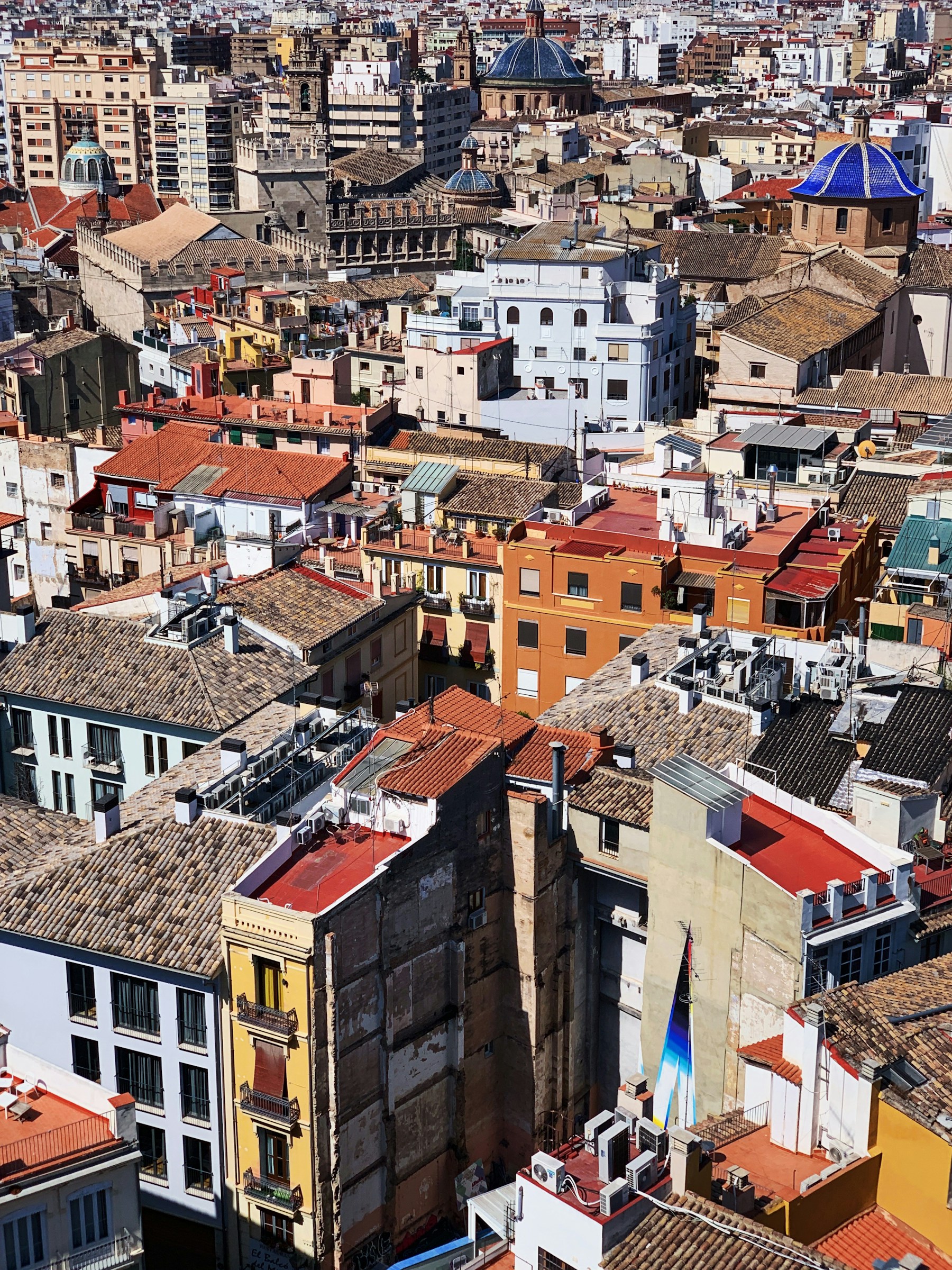
Valencia’s historic center is made of layers that overlap naturally: Roman remains, Islamic traces, medieval towers, Gothic palaces and modernist façades. El Carmen is the best place to feel that mixture. By day, its streets invite you to notice old doors, murals and hidden squares; by night, terraces and long conversations take over.
The Serranos and Quart towers recall the walled city, while the Cathedral keeps a blend of styles that only places with deep history can carry. Climbing the Miguelete requires effort, but the reward is a Valencia of rooftops, bell towers and flat Mediterranean light stretching toward the sea.
Central Market: the edible heart
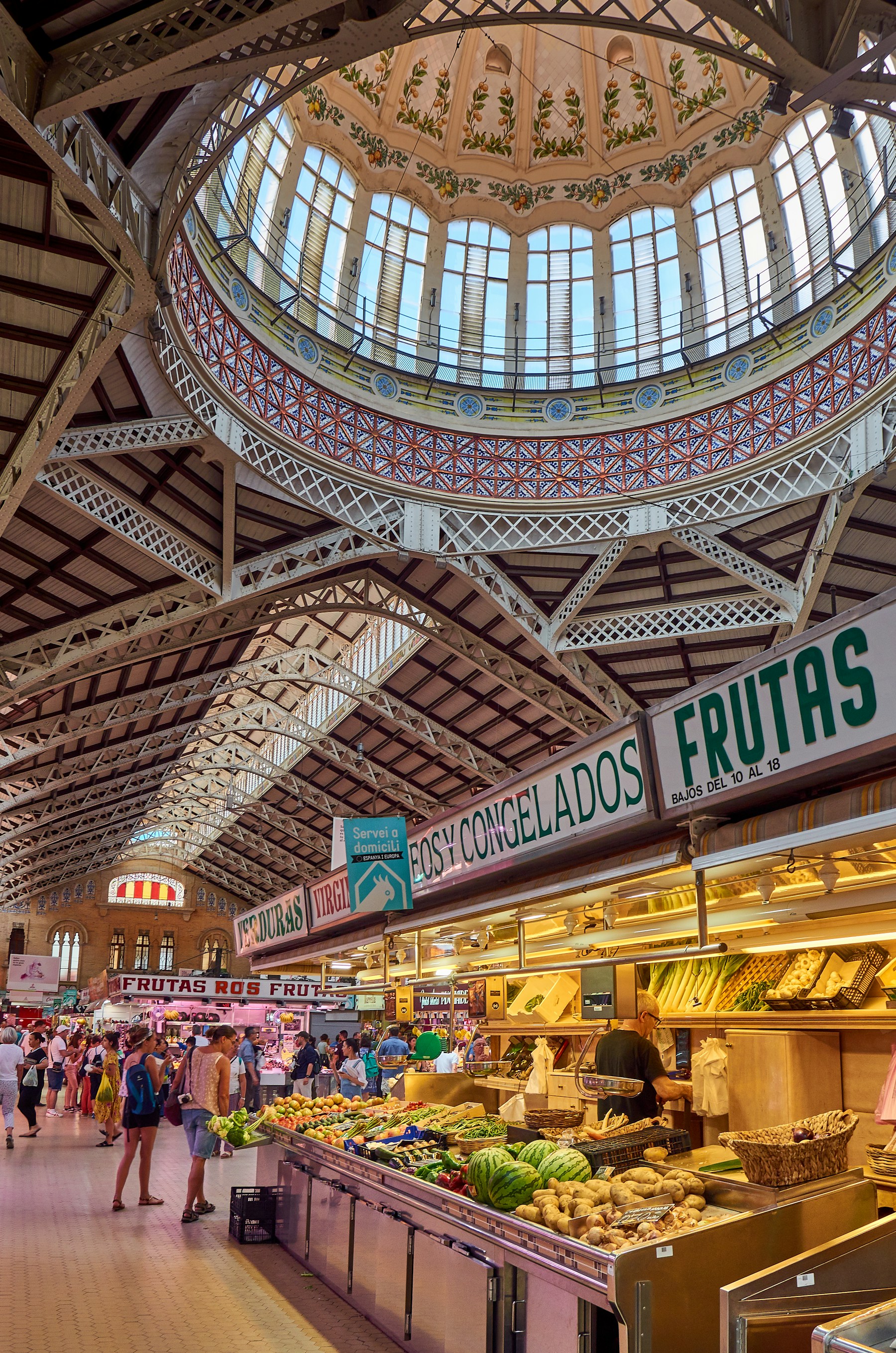
If one place explains Valencia without the need for speeches, it is the Central Market. Under its modernist structure, the day begins among crates of oranges, artichokes, tomatoes, fish, spices and voices that have known each other for years. It is not just a beautiful market; it is a declaration of identity.
Go in the morning, when the movement still feels real. Nearby, the Silk Exchange recalls the commercial splendor of medieval Valencia, with spiral columns that look like stone palm trees. Market and Lonja make a perfect pair: first the product, then the history of the trade that made it possible.
Ruzafa and neighborhood rhythm
Ruzafa is a more everyday, creative and gastronomic Valencia. Once a village absorbed by the city, it now mixes long-standing shops, careful cafés, small restaurants, design studios and a street life that does not need major monuments to feel memorable.
It is a good neighborhood for eating without ceremony: a market counter, a product-led menu, a small international kitchen or a vermouth that stretches longer than planned. Valencia works beautifully when you alternate its big symbols with these human-scale moments, where the city is understood through shutters, bicycles and sobremesas.
Malvarrosa: the city opens to the sea
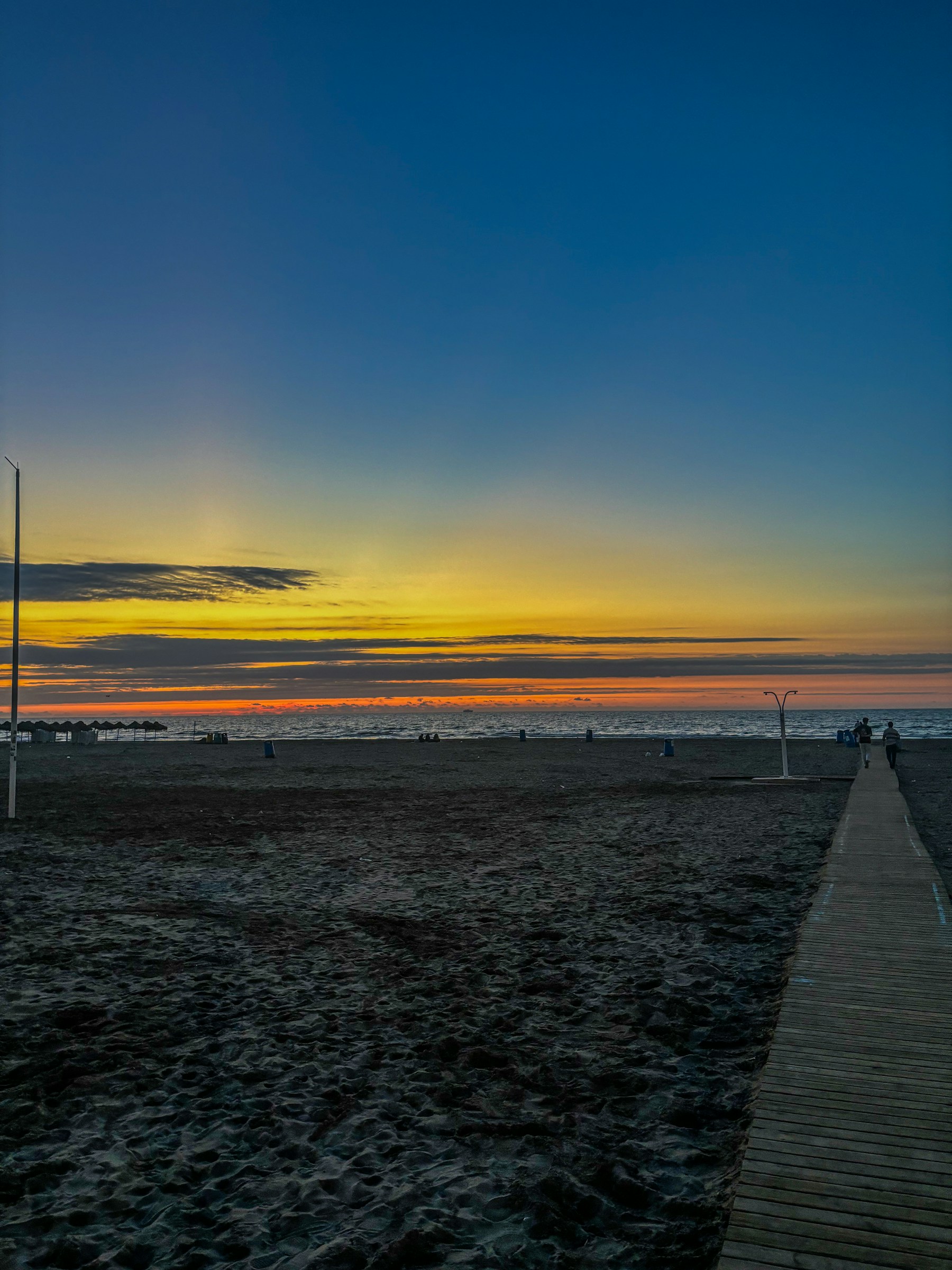
Malvarrosa and the seafront remind you that Valencia is not just a city with a beach, but a city that breathes better near the water. The beach is wide, bright and unpretentious: sand, volleyball nets, restaurants, bicycles and families turning the Mediterranean into routine.
The simplest plan is often the best: walk from the Marina to Malvarrosa, sit facing the sea and let the day slow down. For lunch, rice rules. Valencian paella is not a cliché here but a recipe rooted in territory: rabbit, chicken, green beans, garrofó and patience.
The Albufera at sunset
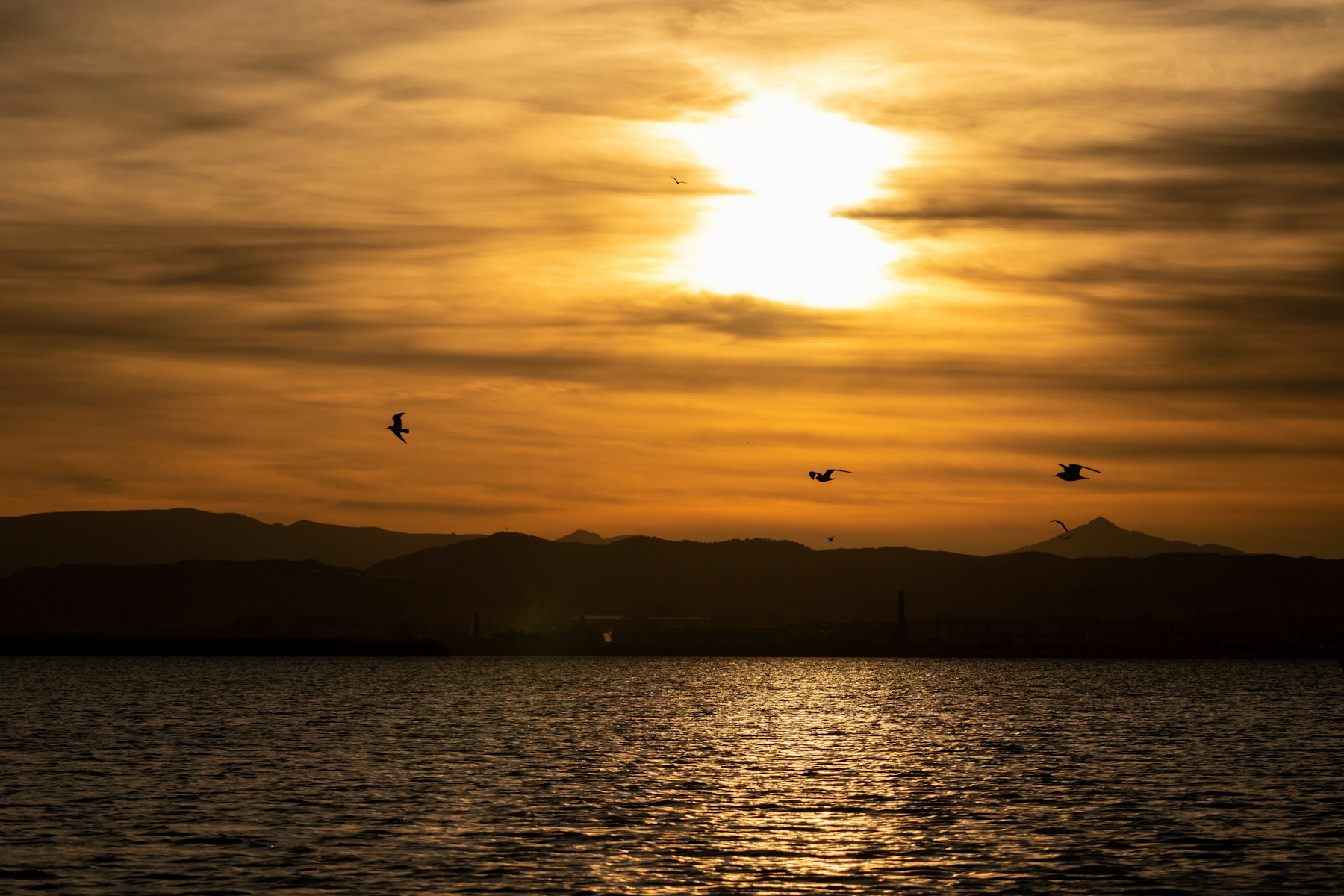
Just a few kilometers from the city, the Albufera changes the register completely. Suddenly Valencia becomes calm water, rice fields, boats and low horizons. It is one of those places where the landscape does not need grand gestures: one sunset is enough to make everything feel still.
El Palmar is a good base for understanding the relationship between lagoon, rice and cooking. After lunch, a boat ride at sunset lets you see the sky doubled in the water and the city, so close in distance, feeling much farther away.
Valencian flavors
Valencia is eaten through rice, but not only through rice. Horchata with fartons in Alboraya, the mid-morning esmorzaret, clóchinas in season, titaina from Cabanyal, savory cocas and produce from the huerta reveal a cuisine closely tied to calendar and territory.
The best food advice is not to rush. Eating rice takes time, and the city rewards that pause. Save one long lunch for paella or arroz al horno, and leave other moments for snacking, exploring markets and sitting down to watch Valencia move at its own pace.
Practical tips
Valencia is easy to navigate: the center is walkable, the metro connects with the airport and cycling works very well thanks to the Turia Gardens and the city’s friendly scale. For a first visit, three days let you combine the historic center, City of Arts and Sciences, beach and Albufera without rushing.
Spring and autumn are especially pleasant. March brings the spectacle of Fallas, but also crowds, noise and higher prices. For a calmer Valencia, April, May, September and October usually offer the best balance of light, temperature and ease.
A bright and generous city
Valencia stays in the memory because of its balance. It has history without solemnity, modernity without coldness, food without artifice and sea without posing. It is a city for walking, eating, looking and breathing. Above all, it shows that Mediterranean beauty can be practical, everyday and deeply kind.
A Comfortable Plan For Families
A balanced day in Valencia works best like this: in the morning, start with the Central Market, La Lonja and old-centre streets; around midday, eat rice only if you have booked and not too late; in the afternoon, cross the Turia gardens toward the City of Arts; at sunset, finish at the beach or Albufera depending on available time; and at night, dine in Russafa, Cabanyal or the centre depending on where you sleep. The point is not to fill every minute, but to avoid the most common friction points: heat, queues, long transfers and meals chosen when everyone is already tired.
A Route With Pauses, Shade And Toilets Nearby
Think of the experience as a simple line: Old town, Turia gardens, City of Arts, beach and huerta. This mental map helps you decide what to skip if the day gets slower than expected. A good itinerary is not the one that covers the most places, but the one that keeps the route coherent and gives each stop enough time to be remembered.
Choosing Lodging Without Complicating The Day
If you stay in an apartment, decide whether you want city or beach: Valencia feels compact, but moving between the centre, Malvarrosa and Albufera changes the day.
What To Avoid With Children Or A Group
Do not make nighttime paella the main plan; do not underestimate humid heat; and do not squeeze centre, beach and Albufera into half a day.
Heat, Transport And Easy Access
Spring and autumn are ideal; summer asks for beach and cooler hours; winter allows city, museums and rice with more calm. For transport, choose the simplest connection back to your lodging before adding extra stops. For accessibility, reduce cobbled streets, steep climbs or long beach approaches when travelling with children, older guests, wheelchairs or heavy luggage.
Eating Without Breaking The Group Rhythm
Look for rice restaurants with bookings and local timing, tapas in Russafa or the centre without falling for all-day paella claims, and seafood character in Cabanyal if you want neighbourhood identity.
Common questions before you go
Quick answers to decide whether Easy Valencia: Old Town, Turia, Beach And Rice Without Stress fits your trip and how to plan it with a Destinations lens.
How much time should I set aside for Easy Valencia: Old Town, Turia, Beach And Rice Without Stress?
A half day is the sensible minimum. If it is your first visit, leave time to walk slowly and add a proper meal or rest stop.
What is the best season for this experience?
It works year-round, but spring and autumn usually offer the best balance of weather, light and crowds.
What is the best way to get around?
Combine public transport with short walks. Moving a car between central stops usually costs more time than it saves.
What is your advice if I am staying nearby?
Use the proximity to split the plan in two: the main visit in the morning and a freer walk late in the day.
What mistake should I avoid?
The most common mistake is trying to see everything in one day. Choose a coherent route and leave something for another time.
Operating a Rental in this area?
Stay fully compliant with Spain's strict tourism regulations. HazCheckin automates your guest registration and legal reporting directly to Spanish authorities.