By Marcos Riera
Guide reviewed under editorial standards
This experience is structured to provide an itinerary, local context, transport, recommended season and mistakes to avoid. See how we review guides
How to make the most of this experience
Useful planning notes for 48 Hours In Madrid: Museums, Neighbourhoods And Nights Worth Planning with a Destinations lens, especially if you are travelling with limited time or staying nearby.
Recommended duration
Between half a day and two days, depending on your pace and the stops you add.
Best season
Winter and cooler days, with layers and shorter daylight hours in mind.
How to get around
Prioritise public transport and walking sections; avoid moving the car between nearby stops.
Best for
First-time visitors, couples, apartment-based travellers and weekend breaks.
Accessibility
Check slopes, cobbles and real walking distances before closing the route.
Estimated budget
Medium: combine free visits with one or two well-chosen paid entries.
Keep the most demanding visit for the morning and leave the afternoon for walks from your stay.
Trying to see everything in one day and ending up jumping from photo to photo.
Madrid does not need a single postcard to explain itself. Its appeal lives in the rhythm of the streets, in long conversations on sunny terraces, in museums that hold centuries of beauty, and in the very local talent for turning a simple plan into an unforgettable night.
This guide is an invitation to experience the capital slowly: to visit the great museums, wander through historic squares, listen to the markets, taste cocido on a cold day, and leave room for the kind of improvised plans Madrid rewards so generously.
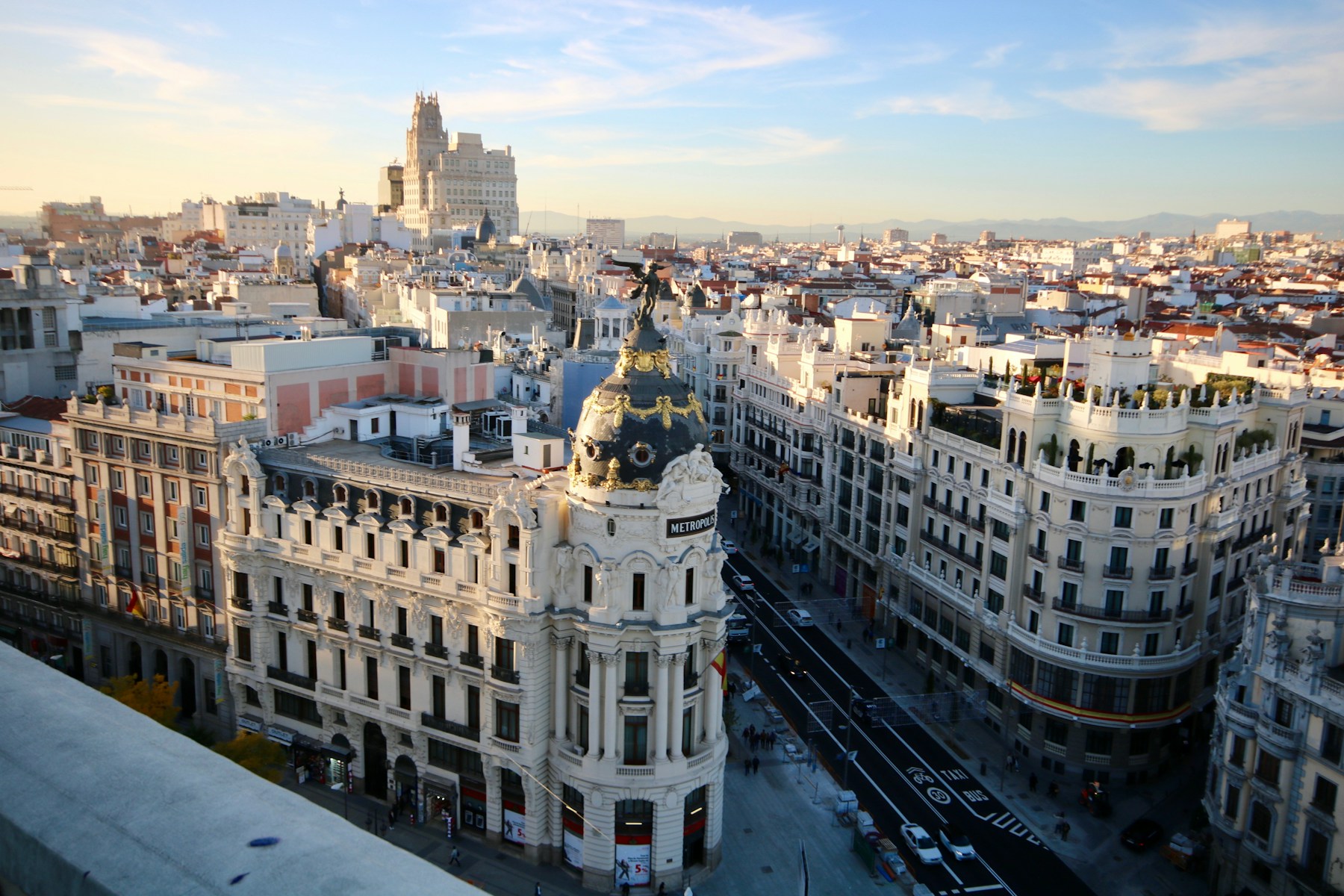
The Prado Walk: an open-air museum
Few avenues in Europe concentrate as much culture as the Paseo del Prado. The Prado Museum, Reina Sofia and Thyssen-Bornemisza form a triangle where Madrid becomes a conversation with art history, from Velazquez and Goya to Picasso and the modern avant-garde.
El Retiro: the necessary pause
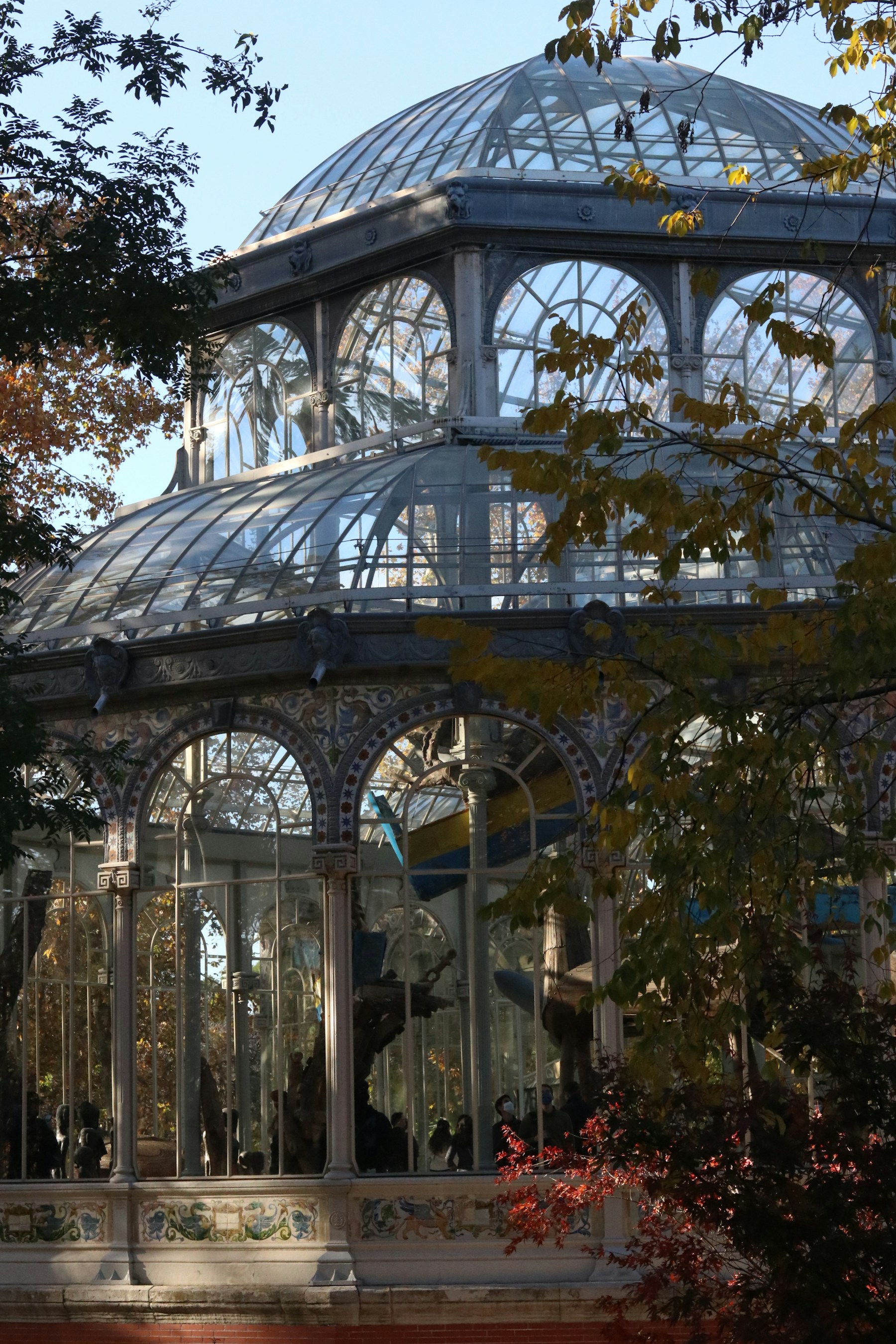
After the museums, Madrid asks for air. El Retiro is more than a park; it is a shared habit of the city. The Crystal Palace, the pond, the shaded paths and the seasonal colors make it one of the capital’s most generous spaces.
Old Madrid: plazas, palaces and taverns
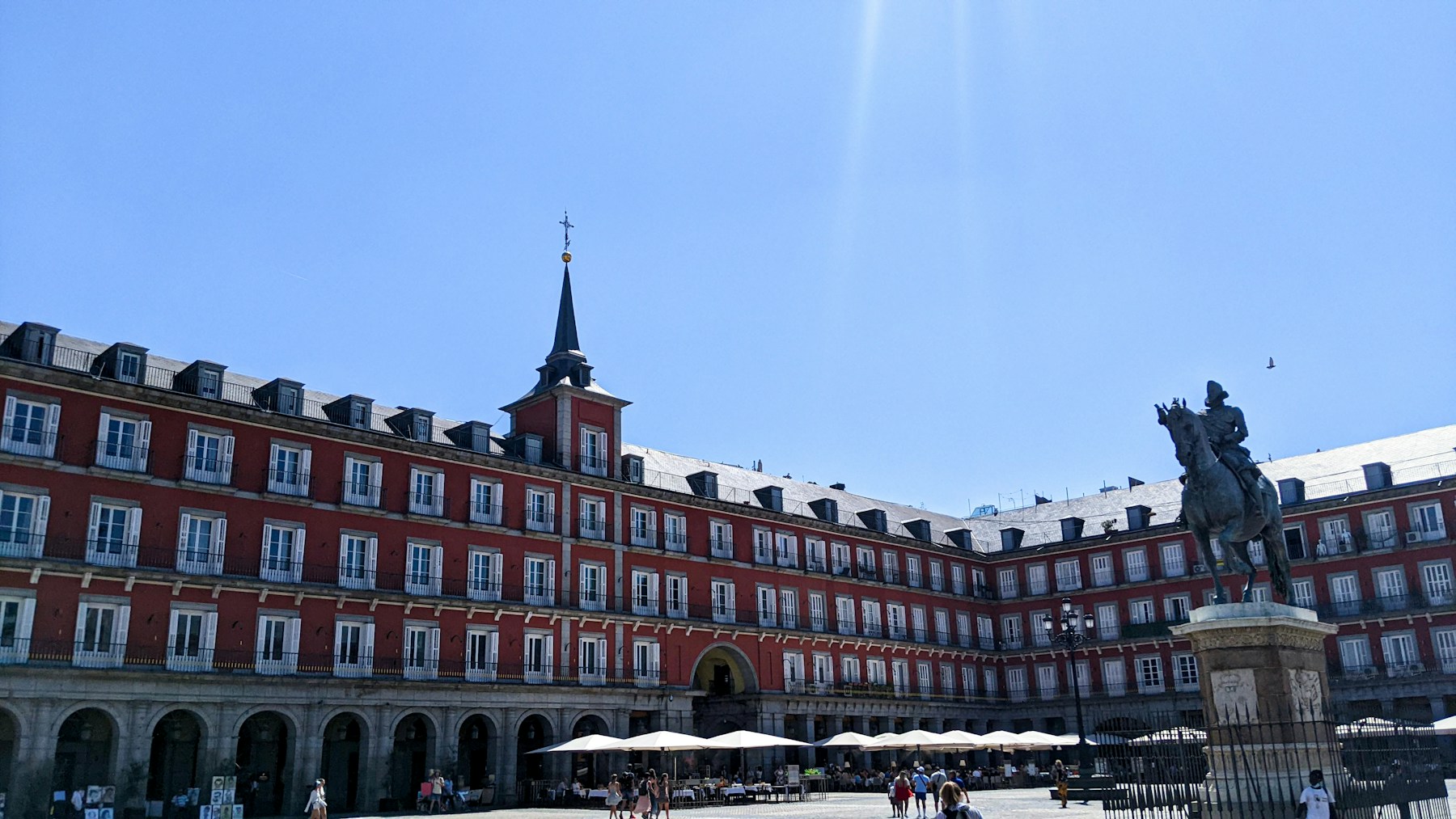
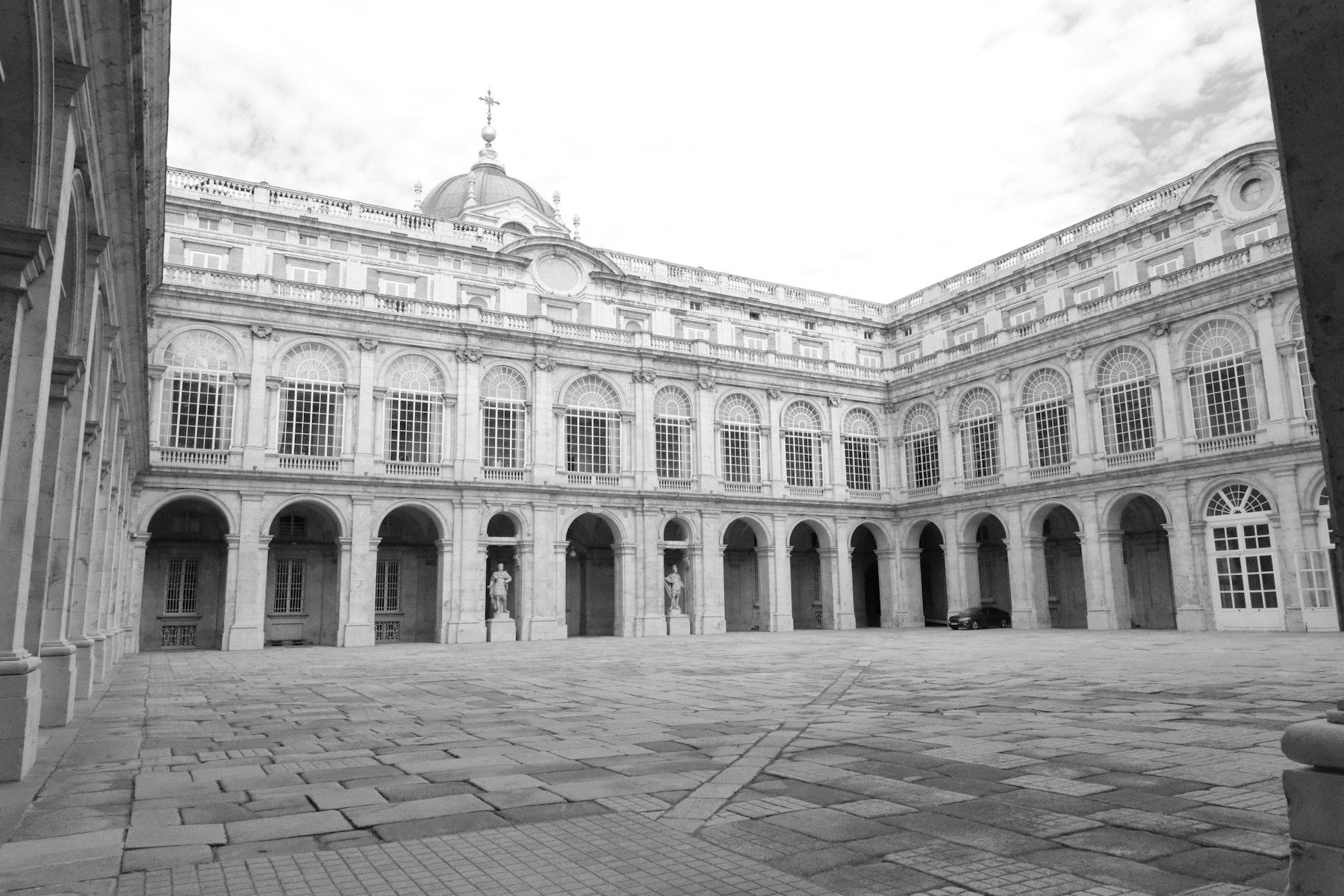
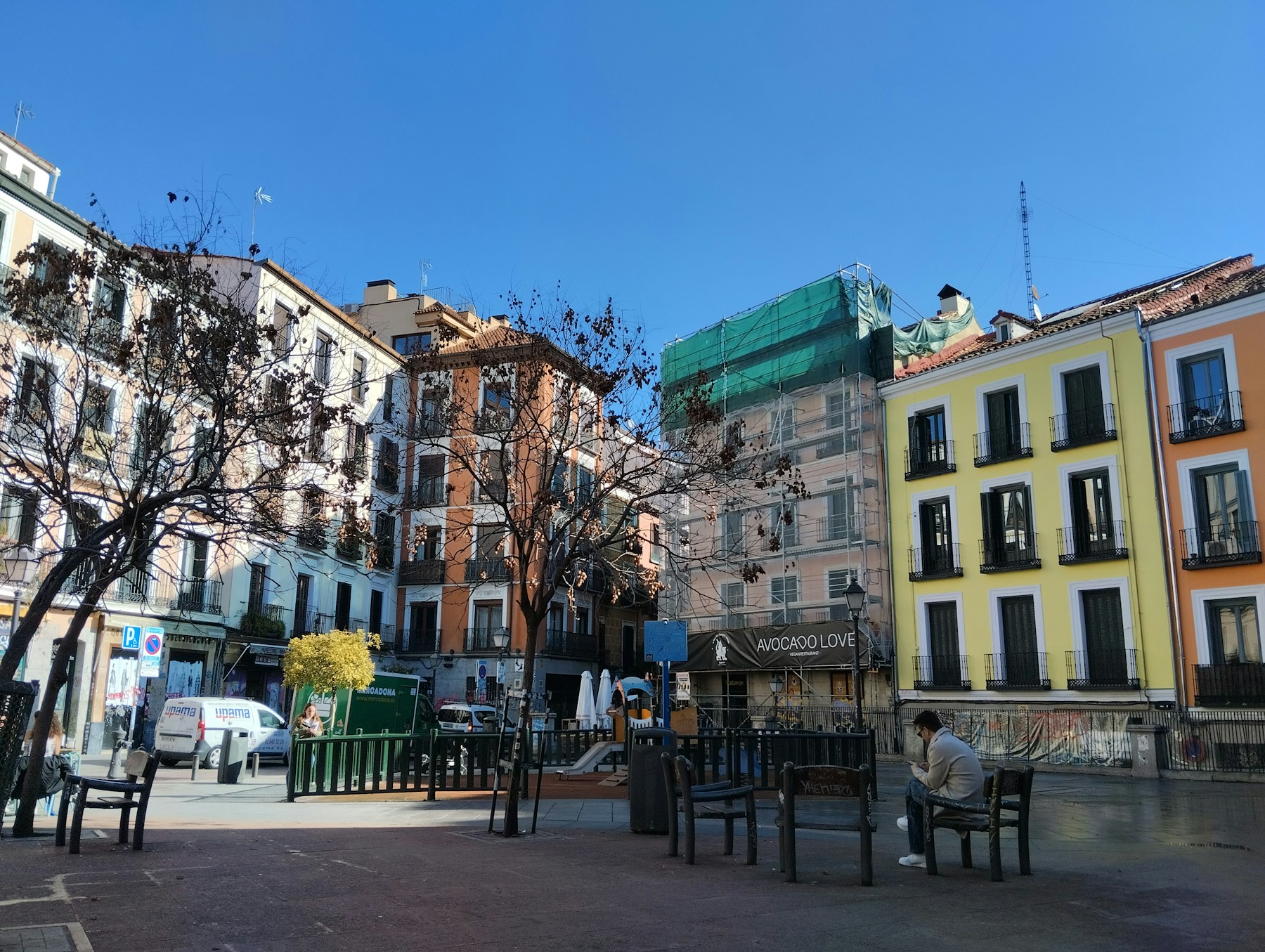
Around Plaza Mayor, Plaza de la Villa and the Royal Palace, Madrid reveals its older courtly side. It is a place for slow walks, traditional taverns, vermouth on tap, croquettes, tortilla and the kind of bars where lunch can quietly become dinner.
La Latina, Lavapies, Malasana and Chueca
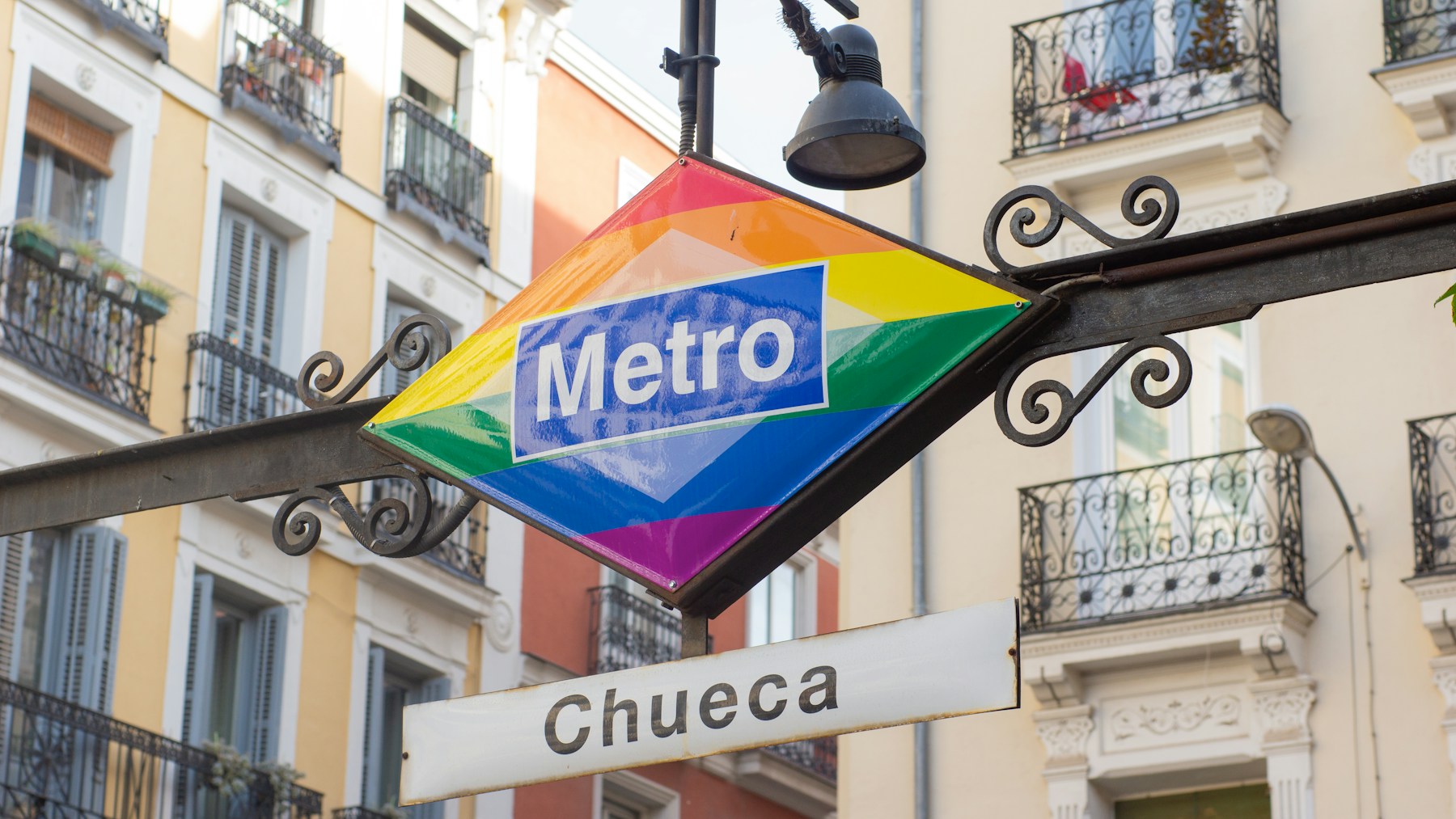
La Latina belongs to Sunday mornings and the Rastro. Lavapies brings a diverse, creative energy. Malasana keeps the memory of the Movida alive without becoming a museum, while Chueca remains open, bright and proudly social.
Practical tips
Madrid is easy to explore by metro, though the center rewards walking. Spring and autumn are usually the best seasons, while August can be very hot and quieter than usual. Book major museums in advance during busy periods, and always leave some empty space in the itinerary.
A city that opens through conversation
Madrid stays in the memory by accumulation: a quiet room in the Prado, a beer in the sun, a street full of accents in Lavapies, the Retiro after rain, one last laugh before returning to the hotel. The more you join its rhythm, the more the city opens.
A Smart 48-Hour Plan
A balanced day in Madrid works best like this: in the morning, choose one major museum, not three, and enter early; around midday, eat in Letras, Antón Martín or Chamberí depending on where you are; in the afternoon, save Retiro or neighbourhood wandering for a looser plan; at sunset, go to a rooftop or toward the Royal Palace area if you want open light; and at night, go out in Chueca, Malasaña, Lavapiés or La Latina depending on the mood you want. The point is not to fill every minute, but to avoid the most common friction points: heat, queues, long transfers and meals chosen when everyone is already tired.
How To Order The Route Without Backtracking
Think of the experience as a simple line: Art Walk, Barrio de las Letras, Malasaña or Chueca, Retiro and a night by neighbourhoods. This mental map helps you decide what to skip if the day gets slower than expected. A good itinerary is not the one that covers the most places, but the one that keeps the route coherent and gives each stop enough time to be remembered.
Best Base For Staying Overnight
If you stay in an apartment, prioritise a nearby metro stop over being “right in the centre”. Chamberí, Retiro, Argüelles or Lavapiés can be more liveable than Sol at rush hour.
Three Choices That Can Spoil The Trip
Do not combine Prado, Reina Sofía and Thyssen in one day; do not cross the city for every meal; and do not underestimate walking distances between neighbourhoods.
When To Go And How To Move Around
Spring and autumn show Madrid at its best; summer needs shade and late-day plans; winter favours museums, cafés and taverns. For transport, choose the simplest connection back to your lodging before adding extra stops. For accessibility, reduce cobbled streets, steep climbs or long beach approaches when travelling with children, older guests, wheelchairs or heavy luggage.
Where To Eat Beyond The Obvious
Eat by neighbourhood: traditional tapas in La Latina, diverse cooking in Lavapiés, comfortable tables in Chamberí and quick bites near museums only after looking beyond the first terrace.
Common questions before you go
Quick answers to decide whether 48 Hours In Madrid: Museums, Neighbourhoods And Nights Worth Planning fits your trip and how to plan it with a Destinations lens.
How much time should I set aside for 48 Hours In Madrid: Museums, Neighbourhoods And Nights Worth Planning?
A half day is the sensible minimum. If it is your first visit, leave time to walk slowly and add a proper meal or rest stop.
What is the best season for this experience?
It works year-round, but spring and autumn usually offer the best balance of weather, light and crowds.
What is the best way to get around?
Combine public transport with short walks. Moving a car between central stops usually costs more time than it saves.
What is your advice if I am staying nearby?
Use the proximity to split the plan in two: the main visit in the morning and a freer walk late in the day.
What mistake should I avoid?
The most common mistake is trying to see everything in one day. Choose a coherent route and leave something for another time.
Operating a Rental in this area?
Stay fully compliant with Spain's strict tourism regulations. HazCheckin automates your guest registration and legal reporting directly to Spanish authorities.