By Marcos Riera
Guide reviewed under editorial standards
This experience is structured to provide an itinerary, local context, transport, recommended season and mistakes to avoid. See how we review guides
How to make the most of this experience
Useful planning notes for 48 Hours In Barcelona: Modernism, Gràcia And A Seaside Ending with a Destinations lens, especially if you are travelling with limited time or staying nearby.
Recommended duration
Between half a day and two days, depending on your pace and the stops you add.
Best season
Year-round, adjusting timings to avoid heat, rain or peak crowds.
How to get around
Prioritise public transport and walking sections; avoid moving the car between nearby stops.
Best for
First-time visitors, couples, apartment-based travellers and weekend breaks.
Accessibility
Check slopes, cobbles and real walking distances before closing the route.
Estimated budget
Medium: combine free visits with one or two well-chosen paid entries.
Keep the most demanding visit for the morning and leave the afternoon for walks from your stay.
Trying to see everything in one day and ending up jumping from photo to photo.
Barcelona cannot be understood in a single glance. It changes rhythm with the light: modernist at sunrise, maritime at midday, medieval at dusk and electric when terraces come alive at night. Between Gaudí’s impossible geometry, the Gothic Quarter’s narrow lanes and the Mediterranean always nearby, the Catalan capital invites you to walk slowly and look up often.
This experience follows the city’s essential landmarks without reducing Barcelona to a postcard. The point is to step into its neighborhoods, listen to its different accents, taste its food and find the moments when the city stops feeling like a destination and starts feeling like a memory of your own.
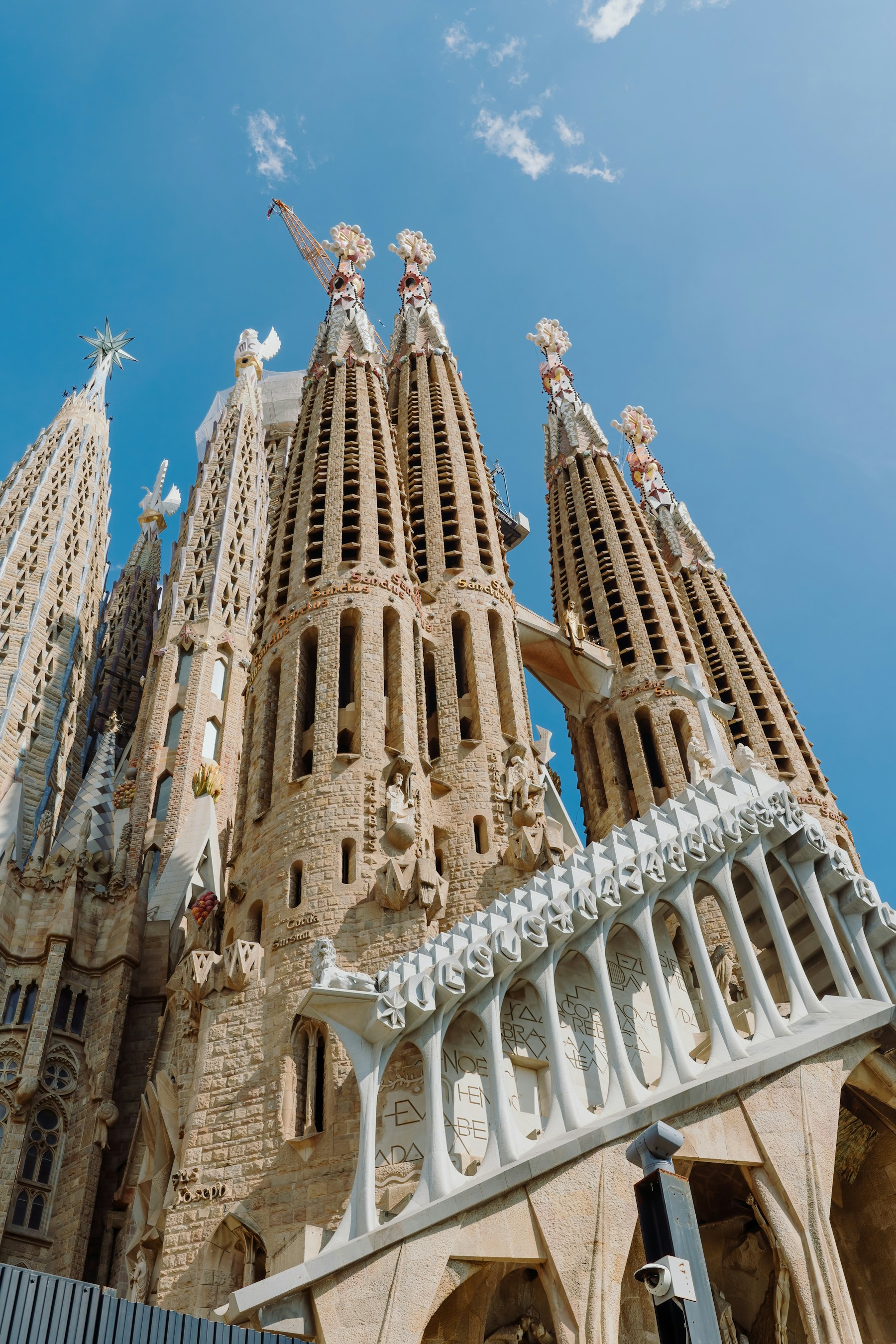
Sagrada Família: a cathedral still in motion
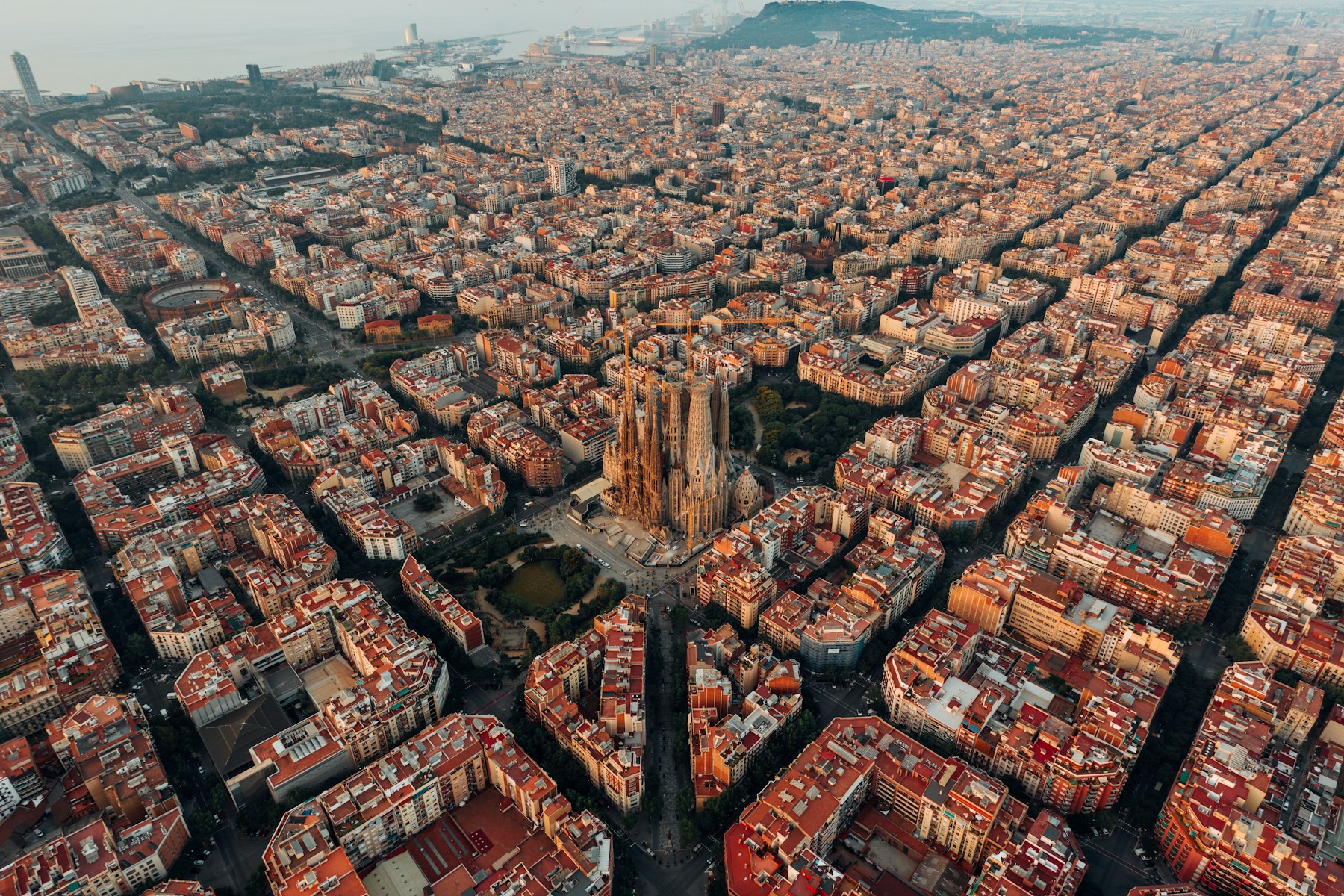
The Sagrada Família is Barcelona’s great magnet, but also a living work. Its towers rise like trees of stone and its façades tell different stories depending on where you stand. The Nativity façade keeps Gaudí’s organic exuberance; the Passion façade is austere, angular and almost theatrical. Together they hold an entire city: faith, craft, calculation and wonder.
Book ahead and choose an early slot if you can. Inside, light pours through the stained glass with an almost liquid intensity: blues and greens in the morning, reds and golds in the afternoon. It feels less like entering a monument and more like stepping into a forest designed by someone who saw nature as architecture.
Passeig de Gràcia and everyday modernism
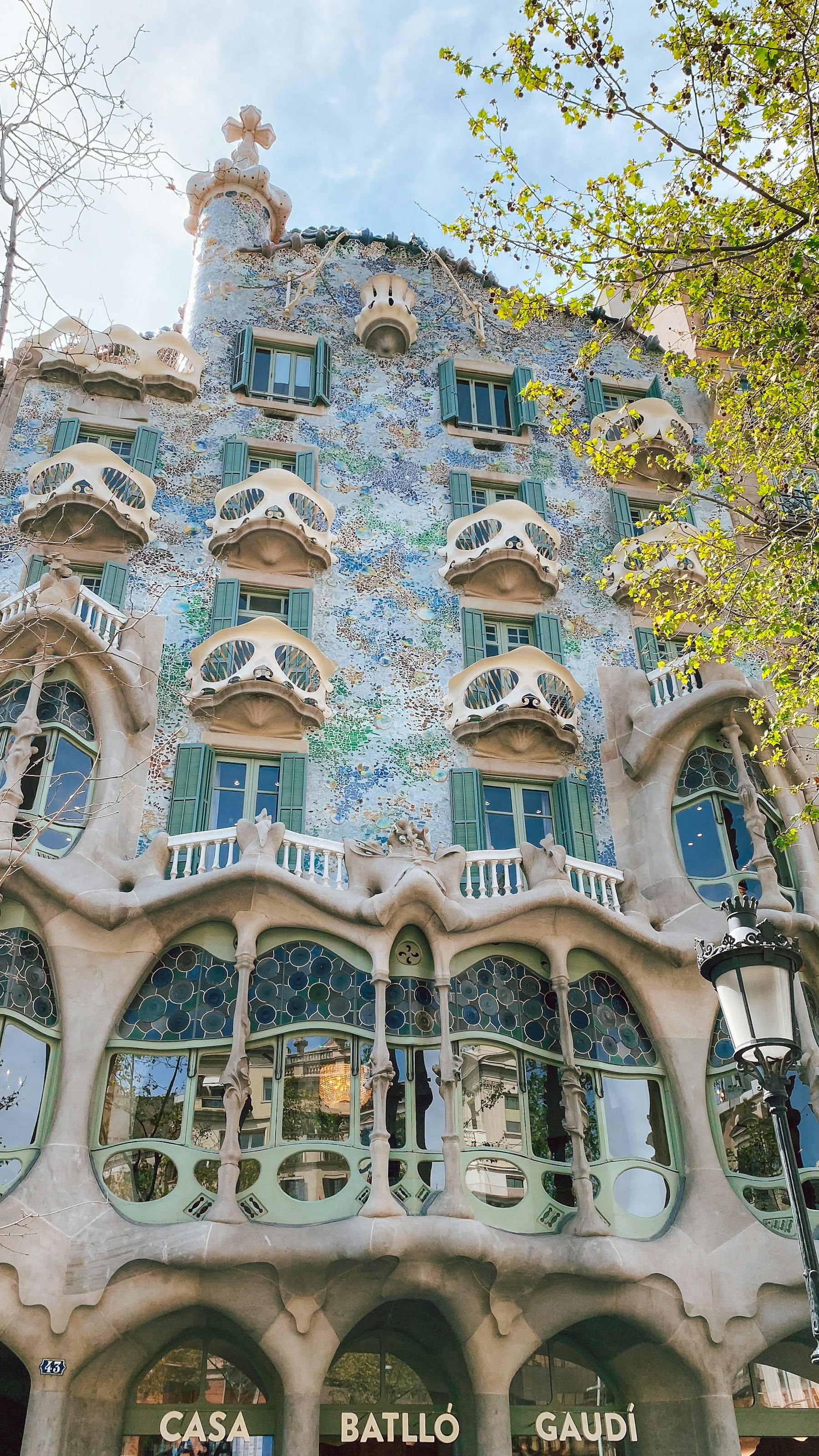
From the Sagrada Família, Barcelona opens into the Eixample, the urban grid of chamfered corners imagined by Ildefons Cerdà for a modern, airy and orderly city. On Passeig de Gràcia, modernism becomes a showcase: Casa Batlló ripples as if its façade were made of water, while La Pedrera looks like a quarry transformed into a home.
The best way to explore this area is to alternate architecture with daily life: look at balconies, step into a bakery, pause at a bookshop, raise your eyes every few steps. Barcelona has the rare gift of turning an elegant avenue into an open-air museum while keeping it a real street.
Park Güell and the city from above
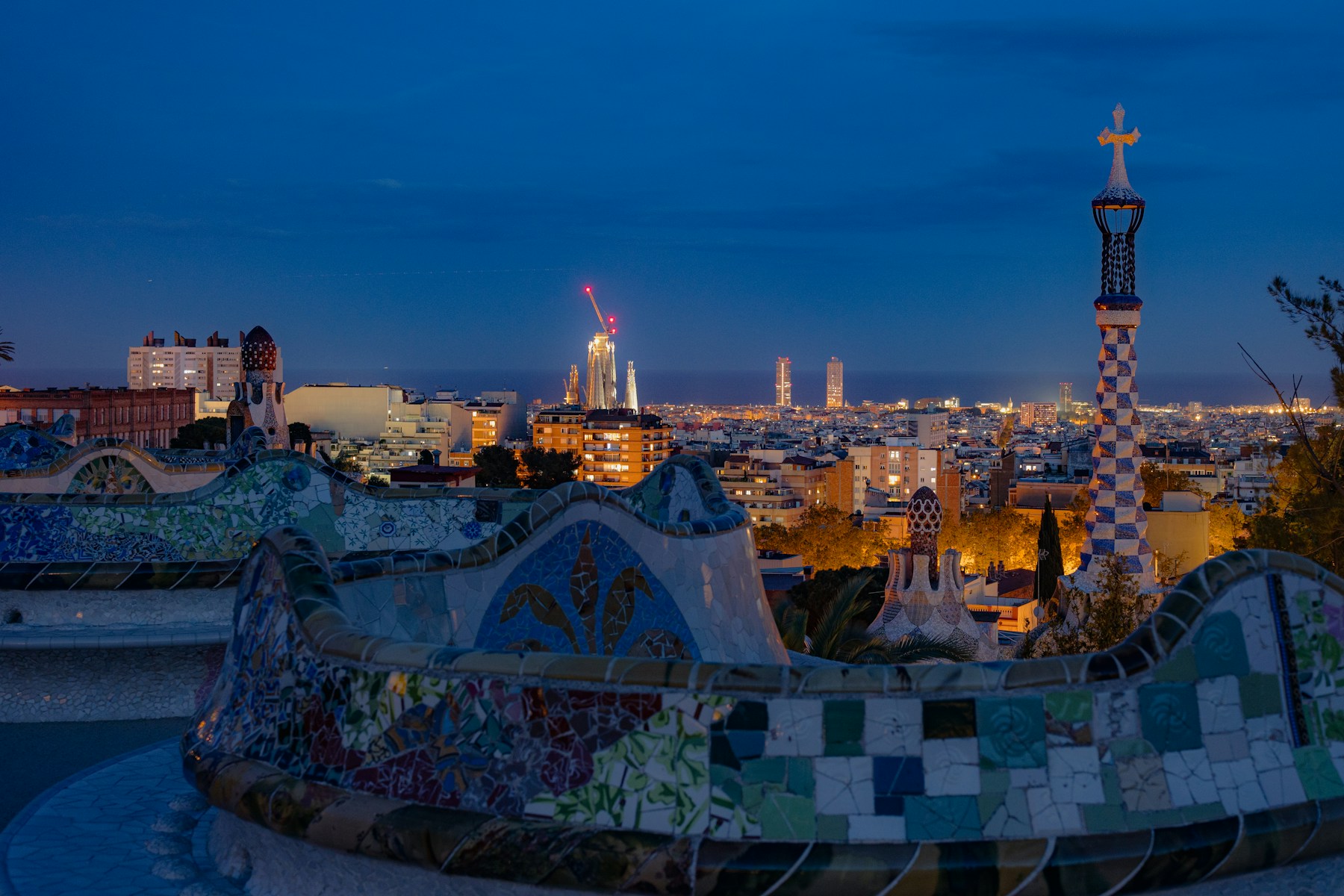
Park Güell distills Gaudí’s imagination into a garden. It is not only the winding bench or the dragon on the staircase: it is the way stone seems to adapt to the land, the tilted columns like tree trunks and the mosaics that catch the sun even on cloudy days. The visit is best early in the morning or late in the afternoon, when the park breathes more calmly.
From its viewpoints, Barcelona spreads between hills and sea. You can spot the towers of the Sagrada Família, the regular outline of the Eixample and, in the distance, a blue line that reminds you this is a Mediterranean city before anything else.
The Gothic Quarter: getting lost on purpose
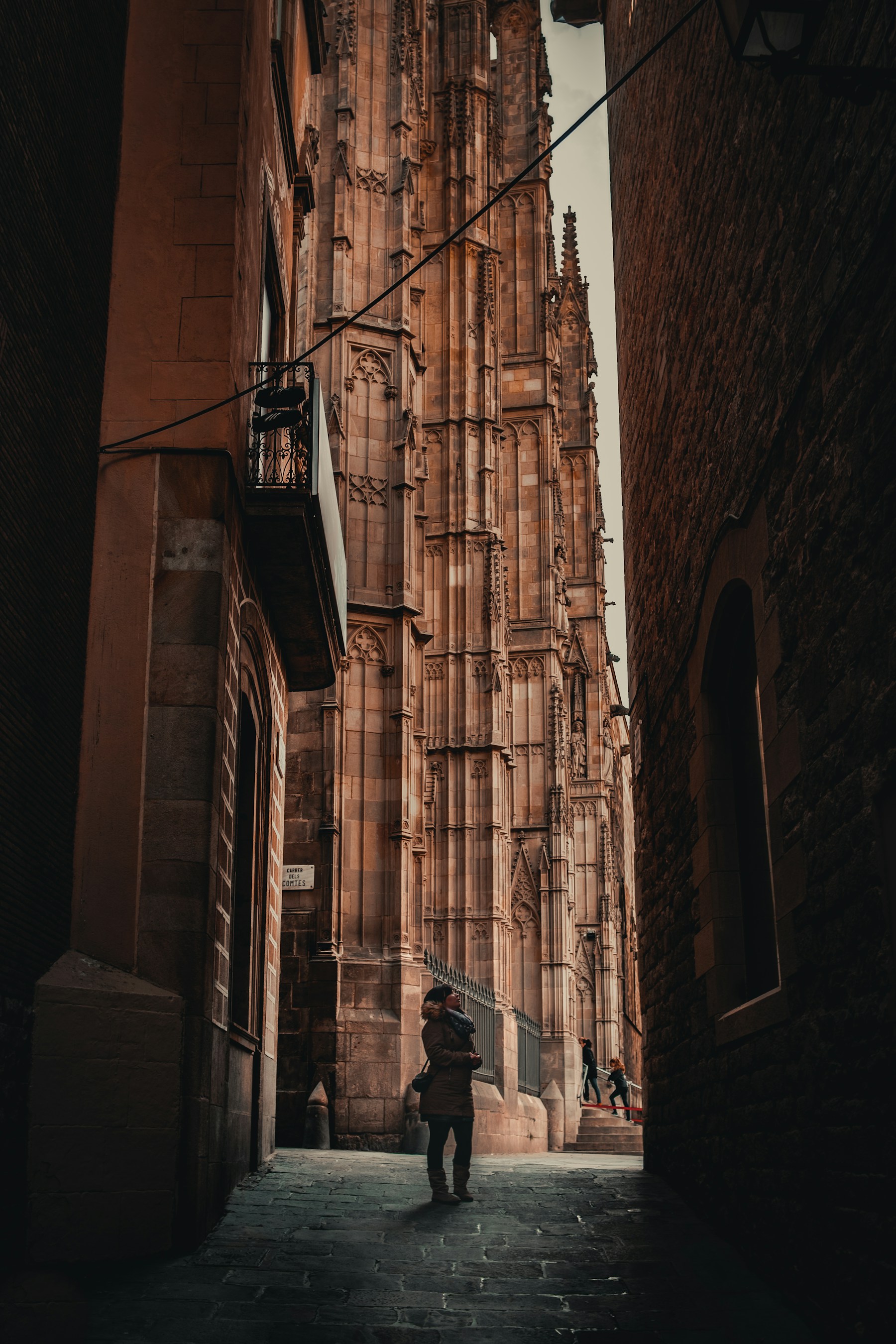
The Gothic Quarter is Barcelona at its cool and shadowed best: small squares, layered façades and centuries of history. Around the Cathedral and Plaça del Rei, Roman remains, medieval palaces, tiny shops and bars appear side by side. Here, a map helps only so much; the real pleasure is letting one narrow street lead to another.
Plaça de Sant Felip Neri is essential for its silence and the memory held in its walls. A few minutes away, El Born adds another tone: brighter, more gastronomic, with Santa Maria del Mar as its great stone temple and the Born market recalling the city buried after 1714.
Barceloneta: the sea as a natural ending
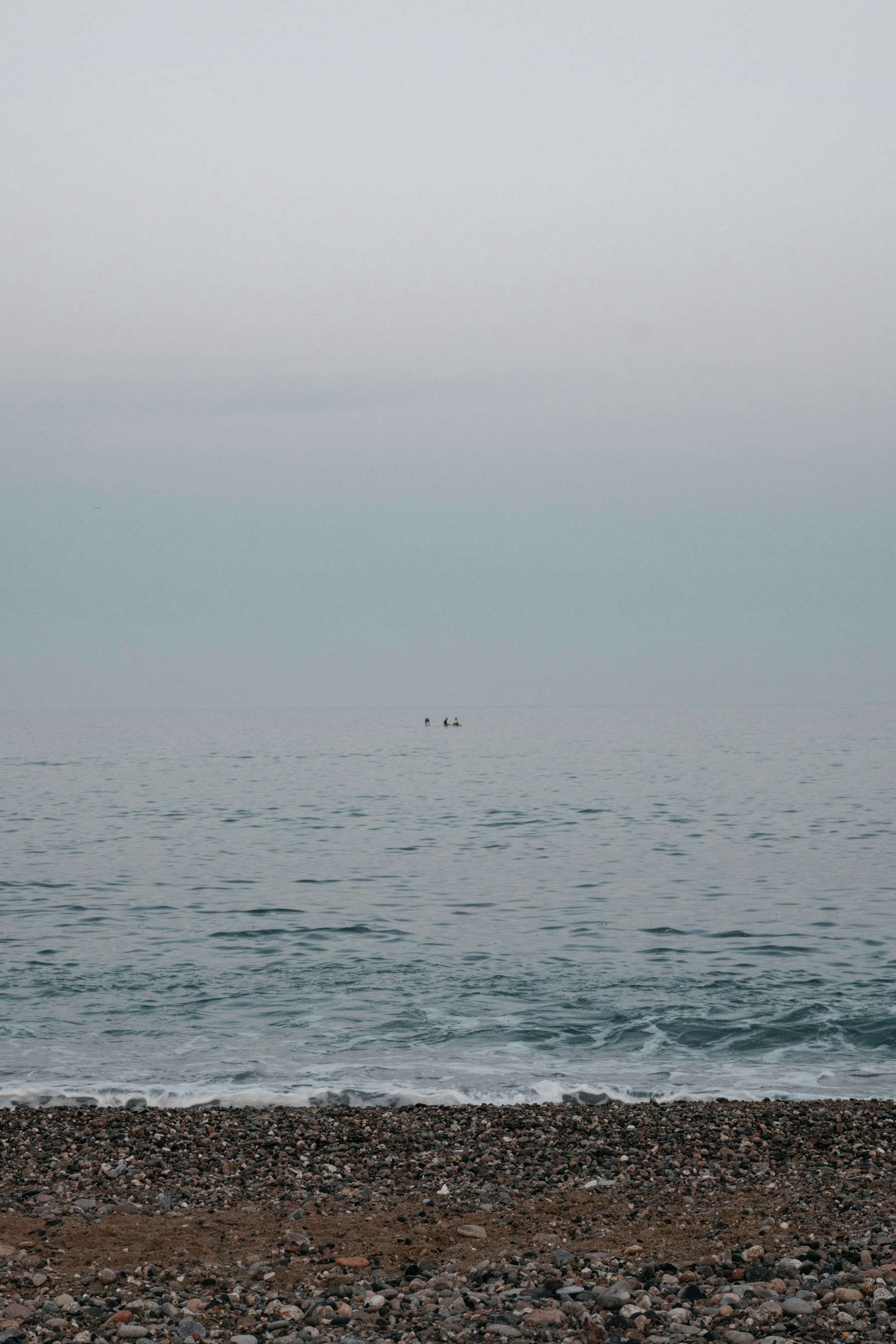
Barcelona has a beach, but more importantly it has an everyday relationship with the sea. In Barceloneta, towels, bicycles, beach bars and narrow apartment blocks coexist with a naturalness that explains much of the city’s character. The waterfront works at any hour, though at sunset the Mediterranean gives back a particularly gentle light.
For food, move away from the most obvious menus and look for rice dishes, grilled fish, Barceloneta bombas or a good esqueixada. Ending the day by the water is simple and perfect: walk with no particular goal while the city lowers its volume.
Market flavors and Catalan sobremesa
Barcelona’s food culture lives between markets, product and mixture. La Boqueria dazzles with color, but Santa Caterina and Sant Antoni reveal a more neighborhood-based Barcelona. Between stalls you find anchovies, pa amb tomàquet, butifarra, escalivada, croquettes, Penedès wines and vermouths that stretch lunchtime beautifully.
The ideal plan is not to schedule every minute. Barcelona is best enjoyed by combining one thoughtful meal with small improvised stops: coffee in Gràcia, a drink in El Born, a terrace in Poblenou or a quiet dinner after walking farther than expected.
Practical tips
Barcelona is easy to navigate by metro, though many of its best scenes appear on foot. For a first visit, three or four days let you combine the Sagrada Família, Eixample, Gothic Quarter, Born, Park Güell and the beach without turning the trip into a race. Tickets for major landmarks should be booked in advance.
Spring and autumn are the best seasons: good light, mild temperatures and less pressure than in August. In summer, plan the big visits early, save the middle of the day for museums or the beach, and leave the neighborhoods for sunset.
A city made for returning
Barcelona never runs out because it never offers just one version of itself. It can be monumental, intimate, maritime, creative, loud or quiet within a few streets. Perhaps that is why so many travelers come back: not to repeat the same trip, but to find another Barcelona inside Barcelona.
A Smart 48-Hour Plan
A balanced day in Barcelona works best like this: in the morning, do Sagrada Família or Passeig de Gràcia with a secured ticket; around midday, eat in Eixample or Gràcia away from the most obvious menus; in the afternoon, move down toward Born, the Gothic Quarter or Montjuïc depending on energy; at sunset, finish by the sea or at a viewpoint with a clear route back; and at night, dine in the neighbourhood where you sleep to avoid long transfers. The point is not to fill every minute, but to avoid the most common friction points: heat, queues, long transfers and meals chosen when everyone is already tired.
How To Order The Route Without Backtracking
Think of the experience as a simple line: modernist Eixample, Gràcia, Born or Gothic Quarter and an ending by the sea. This mental map helps you decide what to skip if the day gets slower than expected. A good itinerary is not the one that covers the most places, but the one that keeps the route coherent and gives each stop enough time to be remembered.
Best Base For Staying Overnight
If you sleep in an apartment, balance metro access and rest. Eixample and Gràcia are often more comfortable than the most saturated Rambla and beach areas.
Three Choices That Can Spoil The Trip
Do not improvise Sagrada Família or Park Güell; do not make La Rambla the axis of the trip; and do not try to combine beach, mountain and modernism in one afternoon.
When To Go And How To Move Around
Spring and autumn are ideal; summer needs bookings, water and pauses; winter allows museums and modernism with less pressure. For transport, choose the simplest connection back to your lodging before adding extra stops. For accessibility, reduce cobbled streets, steep climbs or long beach approaches when travelling with children, older guests, wheelchairs or heavy luggage.
Where To Eat Beyond The Obvious
Eat with judgement by looking for weekday lunch menus in Eixample, neighbourhood bodegas in Gràcia, market produce beyond photo-first stalls and rice dishes outside peak hours.
Common questions before you go
Quick answers to decide whether 48 Hours In Barcelona: Modernism, Gràcia And A Seaside Ending fits your trip and how to plan it with a Destinations lens.
How much time should I set aside for 48 Hours In Barcelona: Modernism, Gràcia And A Seaside Ending?
A half day is the sensible minimum. If it is your first visit, leave time to walk slowly and add a proper meal or rest stop.
What is the best season for this experience?
It works year-round, but spring and autumn usually offer the best balance of weather, light and crowds.
What is the best way to get around?
Combine public transport with short walks. Moving a car between central stops usually costs more time than it saves.
What is your advice if I am staying nearby?
Use the proximity to split the plan in two: the main visit in the morning and a freer walk late in the day.
What mistake should I avoid?
The most common mistake is trying to see everything in one day. Choose a coherent route and leave something for another time.
Operating a Rental in this area?
Stay fully compliant with Spain's strict tourism regulations. HazCheckin automates your guest registration and legal reporting directly to Spanish authorities.